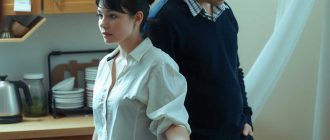
The little girl had already made up her mindshed rather be called a thief than hear the baby wail through another night.
Thats why she was clutching the carton of milk at the corner shops counter, as though it was her final stand against the whole world. Late evening sunlight spilled in through the dingy glass door, painting everything with a golden glow that made the battered shelves, humming chillers, weary old cashier, and the small girl in her threadbare olive shirt look gentler than they really were.
She looked far too young to be making promises about the future.
But she did exactly that when the tall man in the sharp suit walked over.
Please, she said, with big, tear-bright eyes. My brothers not eaten since yesterday. Im not stealingIll bring the money back when Im older.
The baby fidgeted in her arms. Instinctively, she tightened her gripa move shed made a thousand times before.
The old shopkeeper behind the till didnt interrupt. Odd, that. He just watched.
The man crouched down to her levelnot rushing, not acting irritated, not doing that forced grown-up smile that tries too hard for trust.
He studied her face for a long moment.
Then asked, in a gentle voice, What if I could offer you more than just milk?
The girl frozenot because she didnt catch his meaning, but because her mind flooded with too many possible meanings all at once.
Everything suddenly seemed too quiet. The fridges hummed louder. The baby made a tiny, fretful noise. The cashier stayed silent.
The man reached into his suit jacket, moving slowly. The girl immediately stepped back, her grip on the baby tightening, the milk carton slipping awkwardly against her side. The shopkeeper straightened behind the counter, alert.
But instead of money, the man pulled out an old, worn photo, folded and handled too carefully. He opened it just enough for her to seeand all the colour drained from her cheeks.
It was her mum in the photo, holding the very same blue blanket the baby in her arms was wrapped with.
And then he whispered, low and steady: I believe this little one belongs to my family.
For a moment, the girl forgot to breathe.
She squeezed the milk carton so hard she nearly crushed it. The baby fidgeted, then settled as she hugged him closer. The man saw that. Really saw it.
Something shifted in his facenot suspicion, not authorityrecognition.
Behind the counter, the old man straightened up, because he recognised that face.
Everyone in this bit of London knew that face.
Edward Vale.
A man whose signature could move sums at banks. Whose name stood proudly on childrens hospitals. Whose family only showed up where they held the reins.
And yet here he was, kneeling on a battered linoleum floor in an East End shop, in front of a child with stolen milk.
The little girl looked again at the photographher mother, tired but smiling, cradling the blue blanket now wrapped around her baby brother.
Her lower lip started to wobble.
No.
Edward kept his voice gentle. Whats your name?
She hesitated. When youre scraping by on your own, you learn quicknames have power. Then, barely above a whisper:
Poppy.
Edward shut his eyes, just for a second. That was the name. The exact name. The one scribbled in hospital files that vanished twelve years earlier. His sisters whispered name before she disappeared without a trace.
His voice roughened. And the baby?
Poppy glanced down, then back uplike saying the childs name gave him shape and substance.
Jack.
The cashier took off his glasses, wiping them absent-mindedly. Now he understoodthis wasnt a matter of shoplifting. This was a matter of family.
Edward lifted the old photo a bit higher. Do you know who that is?
Poppy nodded, blinking away tears.
My mum.
Edward swallowed hard. Not just any mother. His sister.
Helen Vale.
Officially gone. Buried a decade ago. Closed casket. Private funeral. No photos. No inquiry.
Edwards hand shook ever so slightly.
Who told you not to come near my family?
Poppy froze, entirely. He saw it.
Her eyes darted to the glass door, to the street, to escape, then returned to him, whispering
Nan.
The shop turned silent.
The old man at the counter closed his eyes, just briefly. There was only one grandmother in the Vale family.
Margaret Vale. The sort of woman who cut ribbons for news cameras and cut people down in private.
Edward straightened, all warmth drained from his expression.
Poppy He spoke very softly. What did Nan say?
Now Poppy cried properlyquiet, worn-out tears.
She said if I ever brought the baby to you She hugged Jack tighter. youd take him away, just like you did with Mum.
The fridges droned on. Outside, a cluster of black BMWs rounded the cornersilent, too many, moving too swiftly.
Edwards gaze flicked to them through the window. The shopkeeper let out a shaky breath. So did Poppyher face chalk white now.
Theyve found us.
Jack began to whimper.
Edward sized up the cars, saw his niece, the little boy.
His family. His blood.
Thenwithout a wordhe slipped off his expensive jacket and wrapped it around both children. Not to cloak, but to claim.
As the black cars stopped outside, Edward turned towards the door, and said to the old shopkeeper, softly but steel-edged:
If my mother wants the children
He paused, jaw tight.
she can explain to the family why she made them bury the wrong daughter.The glass door opened with a chime far too cheerful for the moment. Leather shoes stepped over the thresholdburly men in dark suits, all clean lines and cold eyes, and behind them, a woman who still wore her pearls, as though a battle was just another luncheon.
Margaret Vale strode in, stately and sharp, her gaze slicing through them all. She took one lookat Edward, Poppy, Jackand her mouth thinned.
Step aside, Eddie, she said, as if peeling a Band-Aid. Lets not make a scene.
But Edward didnt move.
Poppy shrank further behind him, feeling the weight and warmth of his jacket, the only shield shed ever known. Jack whimpered softly against her shoulder.
No, Mother, Edward said, voice ice and thunder. We are done with secrets. With fear.
A hush wrapped around them. The shop, the gold-light, the dust motessuspended, waiting.
Margarets men shifted, uncertain. This wasnt part of the plan. Her gaze, once steel, flickeredjust for a heartbeatas if shed glimpsed a ghost.
Then the old shopkeeper cleared his throata sound as brittle as old glass. You want to break your grandchildren over their mothers ghost, in public? He gestured to the windows, the street crowded outside now; people slowing, noticing.
Margarets composure faltered, just a tremor, but Edward caught it. He pressed on.
Helen deserved better. These children deserve better. He looked to Poppy, her cheeks streaked with silent tears, milk still gripped in her trembling hand. Family isnt the people who break usits the ones who catch us when we fall.
And just then Jacks tiny fist reached out, grabbing Edwards sleevethe smallest act of trust.
It broke something open in the room.
Margaret looked at Jack, at Poppy, at her son who had once worshipped herand for the first time, she had nothing to say. All those years, all the hush and the threat, came back and settled like dust on her shoulders.
Poppy blinked, feeling the fear easing. Hesitantly, she turned to Edward. You promise?
He knelt beside her, looking into her eyesno more secrets left. On everything I am.
The street outside pressed closewatching, judgingbut inside the shop, an old kind of truth took root between battered shelves and wilting sunlight.
Margaret Vale, pearls shining like warning bells, turned away. Her men hesitated, then melted into the dusk, the cars purring away into the citys veins, bearing nothing but regret.
Edward picked up the milk and handed it to the shopkeeper with a trembling smile. Well pay, sir. Full price, every week.
The old man, eyes wet behind thick glasses, waved him off. Welcome home, little ones.
And when the sun finally slipped away, Poppy stepped into the night, her baby brother in one arm, Edwards coat warming her shoulders, and a new family wrapped gently around her heartstronger than fear, brighter than any golden evening.