Margaret, in her thirty-fifth year, believed she would never know the joy that comes to a woman, yet fate had other plans. They came together when both were already nearing forty. George had been a widower for three years at that time. Margaret had never married, though she had given birth to a son. As the old saying goes, she had the child for herself. In her younger days, she had been involved with a handsome, dark-haired man named Peter, who had promised to wed her and had enchanted the young Margaret. She had believed his words, which proved to be hollow. It turned out later that this suitor from the town was already a married man.
Peter’s lawful wife even came to Margaret, begging the girl not to destroy another family. The young and inexperienced Margaret gave in. Yet she chose to keep the child.
Thus it came to pass. Margaret bore Edward. And the son became her sole source of comfort and joy. Edward was raised properly and did well in his studies. Upon completing school, he enrolled at the university to study economics. George called on Margaret several times. He suggested they join their lives. The woman kept hesitating, even though she was fond of George. Margaret felt somewhat ashamed of her son and of allowing herself to feel happy at last.
One evening, Edward resolved to speak with his mother. He said he did not mind: I, Mother, will not be living at home anymore in any case. Uncle George is a dependable man. Only let him not mistreat you. For me, the important thing is that you are happy. George’s son was likewise not opposed.
And so they began to live as one. They married and arranged a small celebration. Margaret worked in the village library, while George served as an agricultural advisor. They did all things together. They ran the household, kept livestock, and worked the garden. They loved and respected each other, though it was a shame that the Lord had not blessed them with children of their own.
Both sons were married, and they came to know their grandchildren. For every holiday, they prepared gifts for the children and grandchildren: fresh eggs, milk, cream, pork, and chicken. On holidays, their cottage would be filled with many guests. Then George and Margaret would sit at the table, pleased. And they were glad that they had people with whom to mark the occasion.
Only in the evenings, when the elderly pair retired to bed, each would quietly think: to depart this world first… and never to feel lonely.
The years had their way. And one day, trouble did approach. In the morning, Margaret felt poorly just as she started to cook soup in the kitchen. The elderly woman collapsed. George, aided by neighbors, sent for a doctor. The physicians said that Margaret had been struck by a stroke. All her abilities remained, save one. Margaret could no longer walk.
Edward and his wife came to visit the mother. He provided some pounds for the medicines and departed.
George hired a car, and once his wife was released from the hospital, he and a neighbor carried her into the cottage.
All shall be well, he reassured his wife, you need only to live. Even if you merely sit and converse with me. Only live. And I shall manage everything. Just do not leave me, my dove!
George looked after his wife well. After a month, she transferred to a chair. She assisted him in the kitchen. They went on doing things together. They peeled potatoes and carrots, sorted through the beans. They even baked bread. In the evenings, Margaret and George talked over how they would go on living. Winter lay ahead. And George lacked the strength to split logs.
Perhaps the children might take us in for the winter, and come spring and summer we could fend for ourselves
On the weekend, Edward arrived with his wife. The daughter-in-law, Anne, after surveying the whole room, declared: It will be necessary to separate you lovebirds. We shall fetch Mother next week. I shall ready the room. And we shall come.
But what of me? George whispered uneasily. We have never parted. Children, how can this be?
Well, that was earlier, when you had the strength for the farm work and could manage on your own, but now things are otherwise. Let your son take you to his home too. No one will take the pair of you together.
Edward and his wife returned home. George and Margaret sighed heavily and pondered what to do. Each, as they fell asleep, hoped not to awaken, so as not to witness any of this.
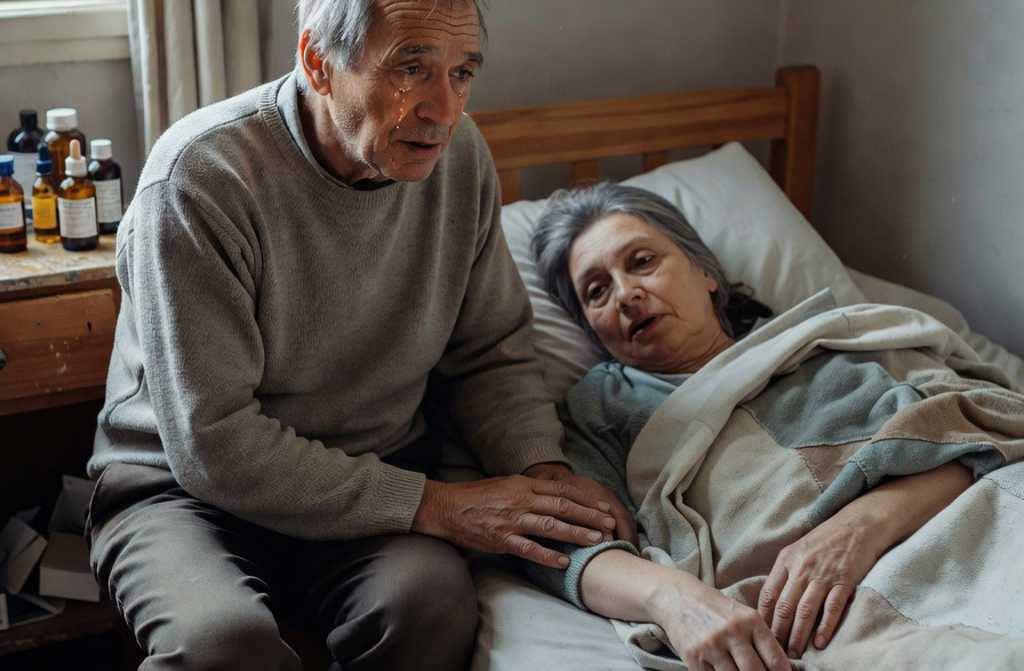
On the next weekend, both sons came. They busied themselves collecting the possessions. George sat beside Margaret’s bed. He gazed at her continually, remembering their younger days. And he wept. He pressed close to his ill wife. And whispered: Forgive me, Margaret, that it has come to this with us. Somewhere we were remiss in the upbringing of the children. They divide us like stray kittens. Forgive me. I love you.
Margaret wished to caress the man’s cheek with her hand, but she had no strength left. George went out, drying his tears with his sleeve. And once seated in the car, he no longer dried them.
Then the son with his wife and the neighbor busied themselves with preparing Margaret, wrapped her in a blanket and began to carry her from the cottage feet first. The ailing woman reflected that this was quite symbolic. Margaret did not struggle; she had ceased to be when George left. And the sick woman only desired not to last until evening.
A week went by. On a fine autumn day, just on the day of the harvest festival, their dream was fulfilled. Margaret and George were reunited in the world beyond.Margaret, in her thirty-fifth year, believed she would never know the joy that comes to a woman, yet fate had other plans. They came together when both were already nearing forty. George had been a widower for three years at that time. Margaret had never married, though she had given birth to a son. As the old saying goes, she had the child for herself. In her younger days, she had been involved with a handsome, dark-haired man named Peter, who had promised to wed her and had enchanted the young Margaret. She had believed his words, which proved to be hollow. It turned out later that this suitor from the town was already a married man.
Peter’s lawful wife even came to Margaret, begging the girl not to destroy another family. The young and inexperienced Margaret gave in. Yet she chose to keep the child.
Thus it came to pass. Margaret bore Edward. And the son became her sole source of comfort and joy. Edward was raised properly and did well in his studies. Upon completing school, he enrolled at the university to study economics. George called on Margaret several times. He suggested they join their lives. The woman kept hesitating, even though she was fond of George. Margaret felt somewhat ashamed of her son and of allowing herself to feel happy at last.
One evening, Edward resolved to speak with his mother. He said he did not mind: I, Mother, will not be living at home anymore in any case. Uncle George is a dependable man. Only let him not mistreat you. For me, the important thing is that you are happy. George’s son was likewise not opposed.
And so they began to live as one. They married and arranged a small celebration. Margaret worked in the village library, while George served as an agricultural advisor. They did all things together. They ran the household, kept livestock, and worked the garden. They loved and respected each other, though it was a shame that the Lord had not blessed them with children of their own.
Both sons were married, and they came to know their grandchildren. For every holiday, they prepared gifts for the children and grandchildren: fresh eggs, milk, cream, pork, and chicken. On holidays, their cottage would be filled with many guests. Then George and Margaret would sit at the table, pleased. And they were glad that they had people with whom to mark the occasion.
Only in the evenings, when the elderly pair retired to bed, each would quietly think: to depart this world first… and never to feel lonely.
The years had their way. And one day, trouble did approach. In the morning, Margaret felt poorly just as she started to cook soup in the kitchen. The elderly woman collapsed. George, aided by neighbors, sent for a doctor. The physicians said that Margaret had been struck by a stroke. All her abilities remained, save one. Margaret could no longer walk.
Edward and his wife came to visit the mother. He provided some pounds for the medicines and departed.
George hired a car, and once his wife was released from the hospital, he and a neighbor carried her into the cottage.
All shall be well, he reassured his wife, you need only to live. Even if you merely sit and converse with me. Only live. And I shall manage everything. Just do not leave me, my dove!
George looked after his wife well. After a month, she transferred to a chair. She assisted him in the kitchen. They went on doing things together. They peeled potatoes and carrots, sorted through the beans. They even baked bread. In the evenings, Margaret and George talked over how they would go on living. Winter lay ahead. And George lacked the strength to split logs.
Perhaps the children might take us in for the winter, and come spring and summer we could fend for ourselves
On the weekend, Edward arrived with his wife. The daughter-in-law, Anne, after surveying the whole room, declared: It will be necessary to separate you lovebirds. We shall fetch Mother next week. I shall ready the room. And we shall come.
But what of me? George whispered uneasily. We have never parted. Children, how can this be?
Well, that was earlier, when you had the strength for the farm work and could manage on your own, but now things are otherwise. Let your son take you to his home too. No one will take the pair of you together.
Edward and his wife returned home. George and Margaret sighed heavily and pondered what to do. Each, as they fell asleep, hoped not to awaken, so as not to witness any of this.
On the next weekend, both sons came. They busied themselves collecting the possessions. George sat beside Margaret’s bed. He gazed at her continually, remembering their younger days. And he wept. He pressed close to his ill wife. And whispered: Forgive me, Margaret, that it has come to this with us. Somewhere we were remiss in the upbringing of the children. They divide us like stray kittens. Forgive me. I love you.
Margaret wished to caress the man’s cheek with her hand, but she had no strength left. George went out, drying his tears with his sleeve. And once seated in the car, he no longer dried them.
Then the son with his wife and the neighbor busied themselves with preparing Margaret, wrapped her in a blanket and began to carry her from the cottage feet first. The ailing woman reflected that this was quite symbolic. Margaret did not struggle; she had ceased to be when George left. And the sick woman only desired not to last until evening.
A week went by. On a fine autumn day, just on the day of the harvest festival, their dream was fulfilled. Margaret and George were reunited in the world beyond.