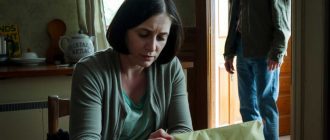
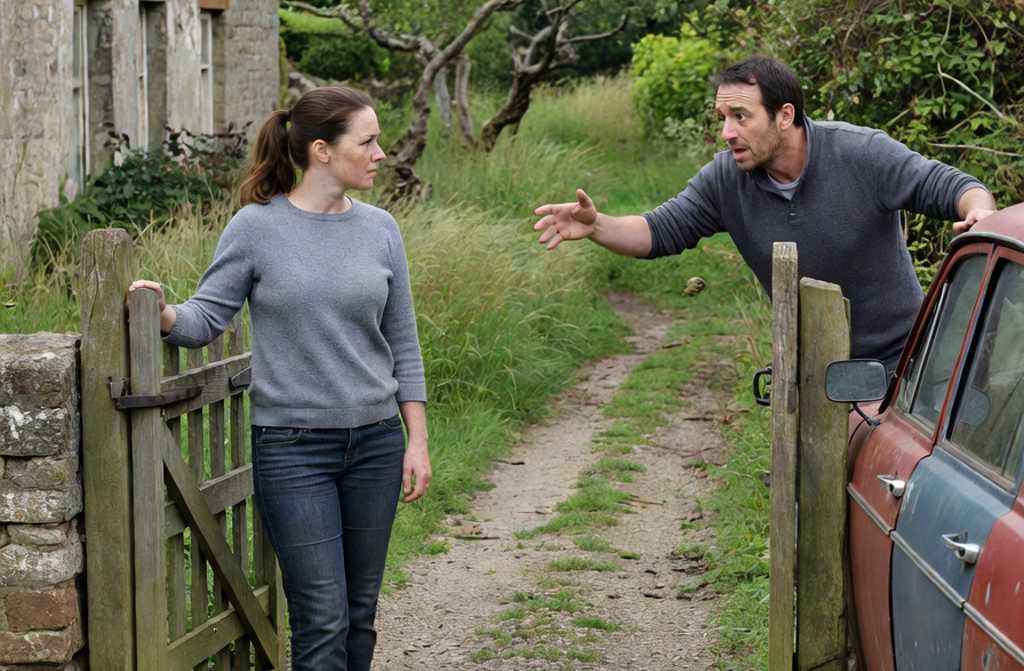
Grandad left me his old cottage in the village, falling apart at the seams, as my inheritance. My sister Charlotte, on the other hand, received a lovely two-bedroom flat smack in the centre of London. My husband David labelled me a complete flop and went to live with her instead. After hitting rock bottom, I made my way to the countryside, and the instant I walked into the cottage, I was completely bowled over…
The notary’s office felt cramped and musty, filled with the scent of ancient documents. Emily perched on a wobbly chair, her hands clammy with nerves. Next to her sat Charlotte, her older sister, looking sharp in a tailored business suit and with nails that could rival a magazine cover. She seemed more interested in an important business lunch than this will reading.
Charlotte tapped away on her phone, throwing the occasional bored glance at the notary as if counting the minutes until she could escape. Emily fiddled with the strap of her tatty handbag. At thirty-four, she still felt like the shy little sister beside her self-assured, thriving sibling. Her job at the local library didn’t pay much, but she genuinely enjoyed it.
Most folks saw it as more of a pastime, particularly Charlotte, who worked in a big firm and brought home way more in a month than Emily did all year. The notary, a silver-haired gentleman with spectacles, cleared his throat and opened a folder. The room fell even quieter, the old clock on the wall ticking away to heighten the awkward tension.
Time dragged on. Emily’s mind wandered back to how Grandad Henry used to say, “The real magic in life often happens in the quiet moments.”
“The last will and testament of Henry James Thompson,” he started in a flat voice that filled the small room.
“I leave the two-bedroom flat on High Street, number 27, flat 43, including all furnishings and belongings, to my granddaughter Charlotte Thompson.”
Charlotte didn’t even glance up from her screen, as though she’d known all along she’d snag the prime real estate. Her expression stayed cool and unreadable. Emily felt that old familiar twinge in her chest. Here we go again. Always second place.
Charlotte had always been the star, grabbing the best of everything. Top marks in school, then a fancy university, married to a wealthy businessman. She had the stylish flat, the flashy car, the latest fashions. And Emily? She lingered in her big sister’s shadow.
“Furthermore, the cottage in the village of Willowbrook, along with all outbuildings and the plot of land measuring about twelve hundred square metres, I leave to my granddaughter Emily Thompson,” the notary went on, flipping the page.
Emily jumped. A cottage in the village? That same one, practically collapsing, where Grandad had spent his final years alone? Her memories were hazy she’d only visited a handful of times as a kid. Back then, it looked like it might tumble down any second. Flaking paint, leaky roof, wild garden it all gave her the jitters.
Charlotte finally tore her eyes from the phone and shot her sister a little smirk.
“Well, Em, you got something at least. Though, to be honest, I’ve no clue what you’ll do with that old heap. Maybe knock it down and flog the land for new builds?”
Emily stayed quiet. The words wouldn’t come. Why had Grandad done it this way? Did he think she was a washout who didn’t deserve a proper home? She wanted to weep but bit her lip not here, not in front of Charlotte and the stern notary who gave her a tiny sympathetic look.
The notary droned on with the formal bits, listing the will’s conditions. Emily listened half-heartedly, struggling to take it all in. Grandad had always been a fair chap. So why split things so unevenly now? At last, the paperwork was done. The notary handed each sister their documents and keys.
Charlotte scribbled her signature quickly, tucked the keys into her posh handbag, and stood up, all brisk and efficient.
“I must dash, I’ve a meeting with clients,” she said, not even glancing at Emily. “We’ll catch up. Don’t mope too much at least you got the cottage.”
And off she went, leaving a whiff of expensive perfume behind.
Emily lingered in the office, clutching the keys to the village cottage. They were hefty, old iron things, a bit rusty, old-school with big teeth. Nothing like the sleek keys Charlotte got. Outside, her husband David was waiting by his battered old car, puffing on a cigarette and checking his watch impatiently.
He looked thoroughly annoyed. The moment Emily emerged, he ground out the cigarette with his heel.
“So, what did you land?” he asked without so much as a hello. “Something decent, I hope?”
Emily told him slowly about the will. With every sentence, David’s face grew stormier.
When she finished, he just stood there, then suddenly thumped the car bonnet.
“A cottage in the sticks?! You’re joking? You’ve messed up again! Your sister gets a flat in London worth at least three hundred thousand pounds, and you get some ramshackle ruin!”
Emily winced at his harshness. David hadn’t always been this snappy, but lately money made him touchy.
“I didn’t pick it,” she tried to explain, her voice shaky. “It was Grandad’s choice.”
“But you could have swayed him! Made him see you deserved better! Had a chat, explained things!”
“No… You’ve always been too much of a quiet mouse.”
“Always hanging back, good for nothing. Can’t even score a decent inheritance.”
His words stung like nettles. Emily felt tears pricking. Seven years married, and he spoke to her like a stranger.
“David, please don’t shout. People are staring.”
“Perhaps we can do something with this cottage?” she suggested softly, looking about.
“Do something? What can you do with a wreck in the middle of nowhere? No one would pay even ten thousand pounds for it. Maybe demolish it and sell the land.”
David jumped into the car, slammed the door, started the engine, and stayed silent the whole drive home, grumbling now and then. Emily gazed out the window, thinking of Grandad. Henry had been a kind, soft-spoken man. He’d worked on a farm, then as a railway engineer, and after retiring, moved to Willowbrook.
He reckoned the city was too hectic, but the air was fresh in the village, and at last he could live on his own terms. Emily recalled summer visits as a child. Grandad showed her how to spot edible mushrooms, pointed out spots for wild strawberries and raspberries, chatted about birds and wildlife.
He never raised his voice or made her do things she hated. He was just there kind and steady. Because of him, Emily felt important and valued. Grandad often said:
“You’re one of a kind, love. Not like the rest. You’ve got a gentle heart; you spot beauty where others miss it. That’s a rare gift.”
Back then, Emily didn’t get what he meant. Now it felt like a cruel joke. What was special about her if even her own husband saw her as a useless flop? At home, David flicked on the telly and lost himself in the news. Emily went to the kitchen to make dinner.
As she peeled potatoes, she wondered what to do next. Maybe try to sell the cottage? Though who would buy a half-collapsed place in a forgotten village with dodgy roads? She remembered that hardly any young folk stayed in Willowbrook just the oldies who wouldn’t leave their roots.
No shop, post office open once a week. Proper back of beyond. During dinner, David was quiet, eyes on the TV. Emily tried chatting about weekend plans, but he answered briefly and curtly. Finally, he set down his fork and looked at her gravely:
“Emily, I’ve been thinking hard today. Our marriage hasn’t worked out.”
“You don’t give me what I want from life.”
Emily looked up from her plate, heart racing.
“What do you mean?”
“I need a woman who’ll back me to get ahead. Not someone who earns peanuts at a library and inherits old wrecks. I’m thirty-seven.”
“I want to live comfortably, not pinch every penny.”
“You knew who you were marrying. I never pretended to be anything else.”
“I know. And that was my error. I thought you’d get more drive, land a proper job. But you stayed a wallflower, happy with scraps.”
Emily felt something inside her shatter.
“And what are you suggesting?”
“Divorce. I’ve already spoken to a solicitor. In the meantime, you can stay with mates or in your marvellous cottage.”
The last bit he said with such sarcasm that Emily shivered. David stood and headed for the door.
“Wait,” she said quietly.
“What about all we had? Seven years together. Our hopes and dreams.”
“Seven years of blunders,” he snapped without turning.
“By the way, Charlotte’s right you’re not for me. She’s a clever, practical woman. Not like…”
He didn’t finish, but Emily knew. He meant Charlotte.
“Of course, Charlotte. Successful, pretty, loaded Charlotte. And now with a flat in London. So you… you picked her?” Emily barely whispered, feeling a chill.
“We’ve just been chatting a lot lately,” David replied evenly. “Her husband’s always away on business, she gets lonely. And I find her interesting. We see eye to eye on things. She gets me.”
What did “aiming for the top” mean? Emily sat at the table, staring at the man she’d shared seven years with. Was this the same David who once brought her flowers on her birthday, praised her, swore he’d always be there? Now he seemed like a stranger, cold and harsh. Like the mask had slipped, showing his true colours.
“Pack your bags,” he said flatly.
“Tomorrow evening, I want you gone for good. I’m putting the flat in my name; no fuss.”
With that, he left, leaving Emily alone with the cold dinner. She sat, unable to process it. In one day, she’d lost it all: any hope of a good inheritance, her husband, her home. Only an old cottage in a deserted village remained, which she barely recalled.
That night, Emily couldn’t sleep. Lying on the sofa in the living room she hadn’t the energy or will to go to the bedroom she mulled over her life. Thirty-four years old. What did she have? A job no one valued, a husband who’d run off with her own sister, and a sister who always saw her as a loser. And now this puzzling cottage in the wilds, about which she knew next to nothing.
She thought back to childhood, those occasional trips to Grandad. Then the cottage had seemed enormous and a tad spooky. Lots of rooms, old furniture, smelled of wood and something odd. Grandad took her round the place, spinning tales of the past, of those who’d lived there before. But that was ages ago, memories now fuzzy and dreamlike.
“I’d completely forgotten…” Emily whispered, looking at old photos. “I loved visiting here. Why did I stop?”
She remembered. Charlotte always had excuses not to see Grandad. Either meet-ups with pals, revising for exams, or something else pressing. And their parents didn’t push, saying the older daughter was grown and could choose her holidays. Emily stopped asking too didn’t want to seem pushy.
And Grandad never grumbled. He rang on holidays, asked how things were, always said he was pleased to hear from them. But sometimes a hint of sadness crept into his voice that she missed then, but now it hurt to recall. Emily gently put the photos away and closed the drawer.
The house quietened, dusk settling outside. She felt worn out. The day had been too much. She just wanted to lie down and forget for a bit, not dwell on her broken life. Emily went back to the living room for her suitcases and hauled them to the bedroom.
She pulled out pyjamas and basics, then headed to the bathroom. To her surprise, everything was tidy fresh towels, soap, even a new toothbrush and paste in fresh wrapping.
“Someone clearly got ready for me,” Emily thought. “But who? And why?”
After freshening up and changing, she climbed into Grandad’s bed. The sheets smelled clean and like herbs. The mattress was comfy, pillow soft. Emily lay in the dark, tuning into the village night sounds: an owl hooting somewhere, leaves whispering, a cat purring under the window.
For the first time in ages, she felt secure. No David with his grumbles and jibes. No Charlotte with her superior looks. No colleagues who thought her work pointless. Just quiet, calm, and a funny sense that the cottage welcomed her like kin.
“Grandad…” she whispered into the dark. “If you can hear me… Thank you. Thank you for leaving me this cottage. I don’t know what I’ll do with it, but right now it’s the only spot where I can just be me.”
Sleep came gradually. Thoughts drifted: she’d need to sort the paperwork, decide whether to stay or sell the plot. Ring work, sort things out. Start afresh. But all that felt far off and not urgent. Now the main thing she’d found a haven.
A place to pause, breathe, and work out the next steps. Grandad’s cottage greeted her like an old chum, and for the first time in ages, Emily felt she wasn’t alone. As she drifted off, she remembered Grandad’s words that she was special. Back then, it seemed just a doting grandad’s affection.
Now Emily wondered: maybe Grandad really spotted something in her others didn’t? Maybe by giving her the cottage, he knew what he was doing?
“Tomorrow,” she promised herself. “Tomorrow I’ll figure it all out. Definitely.”
And with that, she slipped into a deep, restful sleep she hadn’t had in ages.
Emily woke to birdsong. The morning sun streamed in, and the whole world looked brighter not as bleak and hopeless as the day before. She stretched in bed, feeling refreshed for the first time in months. In the city flat, cars, neighbours, and building work always jolted her awake.
Here, it was so peaceful that only birds and rustling leaves broke the silence. Emily got up and went to the window. Morning had transformed the village sun lighting up the treetops, dragonflies flitting about, a cow lowing in the distance.
Beyond a wonky fence, she spotted an overgrown garden. Emily noticed apple trees, pear trees, currant bushes. All tangled with grass, but beneath she could see tidy paths and beds.
“Grandad put a lot of work in here,” she thought. “And now it’s all gone to seed.”
She washed quickly, dressed, and went down to the kitchen. Sure enough, there were fresh bits in the fridge someone had clearly looked after her arrival. Emily made coffee, fried some eggs, and sat for breakfast by the window, taking in the garden view.
As she ate, she kept wondering who might have tidied up and bought the food. Maybe Grandad had asked neighbours to keep an eye on the place? Or had a cleaner? But where would a cleaner come from in this remote spot?
After breakfast, Emily decided to have a proper look round the cottage in daylight. Yesterday she’d been too knackered to notice details. She started in the living room, checking out the furniture, pictures on the walls, knick-knacks on shelves.
Old photos in frames hung on the walls Grandad in his younger days, his parents, some relatives she didn’t recall. One photo caught her eye particularly. It showed this very cottage years ago. It looked fresh and cared for, with blooming flowerbeds and neat paths.
People in their Sunday best stood by the cottage probably Grandad’s family.
“What a lovely cottage it was!” Emily muttered. “And what a cracking garden!”
As she continued exploring, she spotted antique crockery in the cupboard china plates with designs, crystal glasses, silver spoons. All polished and looked after. In the dresser drawers were yellowed letters, papers, other documents Grandad had kept over the years.
Emily reached the sofa and paused. Something was off about it. It sat a bit strangely not straight against the wall, but at an angle. As if someone had shifted it recently and not quite righted it. She went over and saw one cushion was out of place compared to the others.
Carefully lifting it, Emily gasped. Under the cushion was a white envelope. In Grandad’s handwriting, it read:
“To my dear granddaughter Emily.”
Her heart skipped. Emily picked up the envelope with shaky hands. It was sealed, but the seal was old clearly the letter had been waiting a while. She opened it gently and pulled out a sheet folded into four. The writing was definitely Grandad’s tidy, old-fashioned, with those fancy loops.
Emily unfolded the letter and started to read:
“Dear Emily. If you’re reading this, it means I’m gone, and you’ve come to our cottage. I knew you would. I knew it would be you, not Charlotte. Because you were always special, and I saw that. You must be wondering why I left you the old cottage and Charlotte the flat. You probably think I was unfair. But believe me, love, I left you far more than any flat. Remember how you asked me about treasures as a kid? You always dreamed of finding buried treasure from pirates or thieves…”
Emily stopped, rereading the last bits. Her heart thumped so loudly she could hear it.
“A treasure?” she thought. Grandad was on about a real treasure?
She carried on:
“I spent my whole life gathering what I’m leaving you. Bit by bit, keeping it quiet from everyone. Even your grandmother, bless her soul, didn’t know the full story. I worked not just on the farm and as a railway engineer. I had another sideline no one guessed at. After the war, lots of families left the villages for the cities. They sold or just abandoned their homes and things.
I bought valuable items from them for next to nothing old jewellery, coins, precious metal pieces. Back then, hardly anyone knew their real worth. Later I sold some in the city to collectors and antique shops. But the best I kept. Gold jewellery, old coins, gemstones all this I hid and saved for you.”
“Because I knew you were the only one in the family who’d understand that real treasures aren’t cash, but memories, history, and ties to our forebears. My treasure is buried in the garden, under the old apple tree the very one where we sat together, and I told you stories. Dig about a metre deep, a metre and a half from the trunk, towards the cottage. There you’ll find a metal box.”
“Emily, this treasure is your true inheritance. It’ll help you start fresh, stand on your own feet, chase your dreams. But remember: wealth should improve a person, not spoil them. Don’t turn into Charlotte, for whom money matters more than family and friends. I love you, my dear girl. I hope you forgive your old grandad this little ruse. Your grandad Henry.”
Emily finished the letter and just sat there, holding the paper. A treasure. A real one buried in the garden. Grandad had spent his life collecting and hidden it just for her.
“It can’t be…” she whispered. “This has to be a wind-up.”
But the handwriting was Grandad’s, the paper old and worn, and the details spot on. He really knew her, remembered their old chats about treasures. And the exact apple tree the one where they’d sat. Emily looked out the window. Behind the cottage stood an old spreading tree the biggest in the garden. Under its branches was a bench where she’d sat as a child, listening to stories.
“A metre and a half from the trunk towards the cottage,” she repeated from the letter.
“Depth one metre.”
Her hands shook with excitement. What if it was true? What if Grandad really had left her a treasure?
But even if so where to get a spade? What would the neighbours think if they saw her digging?
Emily stepped out onto the porch and looked around. Neighbouring cottages were hard to see most stood empty. The only hint of life was smoke from a chimney about two hundred metres off. From there, her plot was hidden.
She walked round the cottage and found a shed. The door groaned but opened. Inside were old gardening tools spades, rakes, hoes. All rusty but workable. She grabbed a spade and headed for the apple tree.
Reaching the tree, she reread the letter: “A metre and a half from the trunk, towards the cottage.” Emily paced out the distance, stood in the spot, and drove the spade into the earth. The soil was soft and crumbly. Probably had been a flower bed or veg patch once.
Emily dug carefully to avoid damaging anything. It was slow going she wasn’t used to manual work. After half an hour, her hands and back ached, but she kept at it. The hole got deeper, but no sign of anything.
“Maybe Grandad got the spot wrong?” she thought and tried digging a bit left, then right. The soil was the same usual garden dirt with roots and pebbles.
An hour passed. Then two.
Emily was sweating, exhausted, hands blistered. But she didn’t quit.
Grandad wouldn’t have lied. He was an honest man. If he wrote about a treasure then it was there.
Suddenly, the spade hit something solid.
Emily froze. Then she started clearing the dirt with her hands. Under the soil, the edge of a metal thing showed.
“Got it!” she cried and dug with more vigour.
In a few minutes, the box was out. It was small about thirty by forty centimetres, heavy, clearly full of something. The lid was shut tight but not locked. Emily carefully lifted it from the hole and set it on the grass.
Her heart raced like it wanted to burst. She slowly raised the lid and stared.
The box was stuffed with gold. Gold jewellery, coins, bars. The metal gleamed in the sunlight with all sorts of yellow tones. Emily had never seen so much gold in one go.
She picked up one item a heavy gold necklace with gems. It was weighty, cold, real. Then a handful of coins old, with strange markings and pictures. Some looked really ancient.
There were gold rings, bracelets, earrings, pendants too.
Everything was wrapped in soft cloth to protect them.
Grandad had clearly built this collection over time with care.
Emily sat on the grass by the box, struggling to believe it.
She’d actually found a treasure.
A proper one, straight out of a storybook.
And it was hers.
“How much could this be worth?” she whispered, eyeing the jewellery.
“A million? Two? Three?”
She tried to guess. The gold weighed maybe two or three kilos. Gold prices were sky high. Plus the antique value. Plus the gems.
“It’s a fortune,” she said out loud. “I’m loaded. Really loaded.”
The penny didn’t drop straight away. First shock at the discovery. Then amazement, delight. Then a slow grasp of what it meant.
She no longer depended on David.
No need to put up with his put-downs.
No need to hunt for a cheap room.
She could buy a flat any she wanted.
She could travel.
Learn new things.
Do what she fancied.
Help others.
Live as she’d always hoped.
“Grandad…” she whispered, looking up. “Thank you. Thank you for believing in me. Thank you for this treasure.”
She put the jewellery back carefully and closed the lid. She needed to hide the treasure in the cottage until she decided what to do. Get an expert to value it. Find out the exact worth. Sort the legal side.
But mainly she had to get her head round the fact her life had flipped.
Just yesterday, she was a woman with nothing but an old cottage in a sleepy village.
And today, she owned a real fortune.
Emily carried the heavy box inside. In the hallway, she wondered where to stash it. In the end, she put it in the bedroom in the wardrobe, behind the clothes.
Once hidden, she sat on the bed and got out her phone.
There were a few missed calls from an unknown number and a text from David:
“When will you collect the rest of your stuff?”
Emily smiled.
Just yesterday, that would have upset her, made her feel guilty. But today it seemed comical.
David had no idea what had happened.
Didn’t know who his ex-wife had turned into.
She didn’t reply.
Instead, she rang work and said she was taking unpaid leave for a while. The head librarian was surprised but didn’t pry Emily was reliable and deserved a break.
Then she went online and looked up how to value antique jewellery and sell such items legally.
Emily found a few places in the regional city that handled this, jotted down their details to call tomorrow. The day passed quickly. She kept checking the box was still in the wardrobe. She couldn’t believe it was this real? Had she really found the family treasure? In the evening, she reread Grandad’s letter.
The bit about wealth making a person better, not worse, especially moved her. Grandad was wise and knew money was just a means, not the end.
“I won’t become like Charlotte,” Emily promised herself. “I won’t forget where this wealth came from and who left it. I have to live up to Grandad’s trust.”
The night was calm. Emily slept well and had pleasant dreams. In one, Grandad visited, smiled, and said he was proud, that he’d known she wouldn’t let him down.
Next morning, she woke with clear ideas and plans. First, value the find.
Then decide whether to sell all at once or bit by bit, how to handle the paperwork, what taxes.
She called one of the antique valuation firms. The expert agreed to visit Willowbrook tomorrow. Emily mentioned the collection was big and valuable, so needed someone experienced.
“Tomorrow it’ll be clearer,” she told herself.
“Tomorrow I’ll know how rich I am.” Meanwhile, she decided to tackle the cottage and garden. Now she had funds, she could make this place a proper home like it used to be, from the old photos.
Grandad hadn’t just given her a treasure he’d given her a fresh start.
The next morning, bang on 10, a posh car pulled up. A middle-aged man in a smart suit with a briefcase Edward Harrington, an antique expert from the city got out.
“Emily Thompson?” he asked, coming to the gate.
“Yes, that’s me. We arranged the collection valuation.”
He looked over the cottage carefully, noted the antique furniture, and nodded in approval. The things were well maintained.
“Where’s the collection?” the expert asked.
Emily took him to the bedroom, fetched the box from the wardrobe, set it on the table, and opened the lid carefully.
Edward Harrington whistled in astonishment.
“Good heavens! Where did all this come from in the village?” he muttered.
“It’s Grandad’s inheritance,” Emily replied. “He collected it over the years.”
The expert put on gloves and started taking out the jewellery one by one.
He examined each with a magnifying glass, checked hallmarks, weighed them. Worked quietly, only jotting notes now and then.
Finally, he spoke:
“This is a remarkable collection. Items from various periods. This necklace 18th century, handmade. The coins are valuable too, especially the old ones they’re quite rare.”
Emily listened, hardly breathing. Every word made her heart beat faster.
“And how much might it all be worth?” she couldn’t help asking.
The expert set down the glass and looked at her seriously:
“I can only give the precise figure after lab tests. But roughly the gold alone weighs over three kilos. Plus gems: emeralds, rubies, sapphires. And the antique value of some pieces. Approximately at least one and a half million pounds. Possibly more. Some items could fetch a fortune at auction.”
Emily felt light-headed.
“One and a half million… That’s way more than she’d pictured. With that, she could buy several flats in the city, a nice house, a car, have a comfortable life.”
“Do you want to sell the collection?” the expert asked.
“My firm works with serious buyers. We could arrange an auction or find private collectors.”
Emily shook her head:
“No, I’m not ready yet. I need time to think.”
“I understand,” said the expert. “But I suggest not keeping valuables like this at home. Better in a bank vault or secure storage.”
He left his card and a rough report.
After he left, Emily sat in the kitchen for ages, sipping tea and taking in what she’d heard.
One and a half million. She wasn’t just well-off she was seriously rich.
But oddly, she didn’t feel thrilled. Just uneasy. Big money big duty. Grandad was right: wealth should better a person.
“What now?” she said out loud.
How to handle this inheritance?
Her first idea was to fix up the cottage and garden. Turn this spot into what it once was a home full of life and warmth.
Second help those who needed it. The village had lonely elderly folk struggling. She could assist with food, meds, repairs.
And for her own life Emily realised she didn’t want to go back to the city. Here in Willowbrook, she had a peace she’d never known in the city rush.
Perhaps she should stay here for good?
Her thoughts were cut short by a phone call. David’s number showed. Emily paused but answered.
“Hi, how’s it going?” came his voice.
“Fine,” she said shortly. “What do you want?”
“Listen, maybe we were hasty with the divorce? Perhaps we should talk things over again?” he said out of the blue.
Emily was taken aback. A few days ago he’d thrown her out, calling her a failure. Now he was suggesting making up.
“Where’s this coming from?” she asked.
“I see now I was wrong. I shouted, was nasty. It’s not your fault how Grandad split things. And the cottage in the village isn’t that bad. You could turn it into a holiday let, get away in summer.”
Emily smiled. It was obvious David had an angle.
“And what do you suggest?” she asked.
“Come back. Forget it all. Start again. The cottage could be rented out to holidaymakers bring in some cash.”
“And did you happen to chat about this with Charlotte?” Emily went on.
Pause.
“Well… she might have mentioned it,” he answered hesitantly.
Emily got it. Charlotte had probably heard about development plans for the area or rising land values. Now she and David wanted Emily back to control the property.
“And if I don’t want to come back?” she asked.
“Don’t be daft. What will you do alone in the village? No work, no shops, no proper life… You’re a city girl at heart.”
“Maybe not so much,” Emily replied. “Maybe I like it here.”
David tried to talk her round more, suggesting kids, moving, a better flat. But Emily listened and wondered how she’d missed the phoniness in his words before. Every offer seemed scripted. He spoke not from love, but from wanting the money.
“Alright, I’ll think about it,” she said calmly.
After the call, she laughed for ages.
“Misses me, does he… The man who kicked me out now misses me and wants a family.”
The next day, Charlotte rang. Emily had expected it.
“Em, hi! How are you getting on in the village?” her sister started sweetly.
“Fine. And you?”
“How’s the flat?”
“Good. You’re not ringing for no reason, are you?”
“David said you two made up. I’m so pleased!” Charlotte said.
Emily snorted inwardly but stayed cool:
“Not quite made up yet. Just discussing options.”
“I see, you’re still upset about David. But nothing serious happened between us,” Charlotte tried to explain.
“Then why the call?” Emily asked straight out.
“I want to help. I heard they’re planning to build a housing estate in your area. Your plot could be worth a lot more.”
“So that’s it,” Emily thought. Charlotte wanted a slice of the inheritance.
“I suggest: I handle the sale. I’ve got contacts in estate agencies. We find a good buyer, sell for a good price. Split the money you get half, I get half for the work.”
Emily nearly laughed. Charlotte was offering her half the value of her own plot, as if it was generous.
“And if I don’t want to sell?” Emily asked.
“Don’t be silly. What will you do with that old place? Move back to the city, get a decent flat with the cash,” Charlotte replied.
“Charlotte, did you by any chance discuss this with David?” Emily asked directly.
“Well… I might have brought it up,” her sister answered, trying to sound casual.
“I see. But it’s in your interest. We just want to help you,” she added.
“Yes, I get it,” Emily replied coolly. “I’ll think it over. Just don’t wait too long. While building hasn’t started, you can really cash in. After, prices might drop.”
After the chat with Charlotte, Emily finally saw what was going on: David and her sister thought she was a gullible sort they could easily fool. Their plan was simple: lure her back to the city, take charge of the cottage and land, sell the land for profit, leaving her with scraps.
“How wrong you both are,” she said aloud. “And how very wrong.”
Emily opened the wardrobe, took out the box with Grandad’s treasures, and once more looked at each piece carefully. Every item was a real piece of art, every coin a bit of history. Grandad had gathered this beauty his whole life. Now it was all hers.
“I won’t give a single thing to David and Charlotte,” she decided firmly. “Not the jewellery, not the cottage, not the land. They get nothing.”
A week later, David turned up in Willowbrook. Emily saw his car from the window and went out to meet him. He looked sure of himself and even cheerful.
“Hi, Em!” he grinned widely and tried to hug her, but she backed away.
“Why are you here?”
“For you, of course! I miss you already. Get your things we’re heading home.”
“Who said I agreed?”
“Enough of this sulking. Look at how you’re living. In this wilderness! And the cottage is so tatty.” David surveyed the garden with clear displeasure. “Though the plot’s not bad. Charlotte’s right something could be done here.”
“What if I say I like it? That I want to stay?”
He laughed.
“Don’t be daft. What will you do here? What will you live on? You’ve no money.”
“How do you know if I have money or not?”
“Em, you worked as a librarian for a pittance. What money?”
“Maybe I put a bit aside for hard times.”
“But it won’t last.” Emily smiled.
“What if I say I now have more money than you could dream of?”
“Where would that come from? You only got this cottage from Grandad.”
“Just the cottage,” she agreed. “But Grandad turned out wiser than any of us thought.”
Emily told him about the treasure. At first David didn’t believe, then chuckled, but when he saw she was serious, he went pale.
“How much?” he demanded.
“One and a half million pounds. Maybe even more.”
David was silent for several minutes, then spoke softly:
“Em, you know money like that needs investing smartly? I can help. I’ve got business know-how. We could start something together, grow it.”
“Remember what you said to me a week ago?” Emily cut in.
“About me being a failure? That was just a heated moment, I didn’t mean it.”
“And remember how you threw me out? Told me to pack?”
“Em, let’s put the past behind us. Start over. With this money, we can do anything.”
Emily looked at him with pity.
“You know, David, I really did love you. Thought you were decent. But you turned out greedy and self-serving.”
“You mean…”
“That a week ago you saw me as a failure, and today, hearing about the money, you think I’m worthy of your love again. That’s not love it’s greed.”
David tried to argue, but Emily wasn’t listening anymore.
“Tell me, do you really want to be with me? Or with my money?”
“Em, you can’t do this. We were together seven years.”
“Those seven years showed me who you really are.”
She turned and went into the cottage. David ran after her, shouting, pleading, threatening. But she didn’t look back. At the gate, she stopped and said coldly:
“Get off my property. Don’t come back here. We’ll sort the divorce in court.”
“You’ll regret this!” he yelled. “You can’t hold onto that kind of money alone. There are worse people than me out there.”
“Maybe,” Emily answered calmly. “But that’ll be my problem. And you leave.”
David shouted a bit more, then got in his car and drove off, slamming the door. Emily went inside and felt a huge sense of relief. That part of her life was done. No more put-downs, no more excuses, no more feeling worthless. She was free.
Later that evening, Charlotte called. Her voice was cross.
“David told me about your find,” she started without hello. “You think you’re so clever?”
“Clever enough not to be taken for a ride,” Emily answered calmly.
“Do you even remember who always helped you? Who backed you? Me the big sister. I have a right to the inheritance.”
“Charlotte, Grandad left you a flat. Me a cottage. We each got what he chose. He didn’t know about the treasure. If he had, he’d have split it fairly.”
“The treasure was on the plot. So it’s mine. You have to share. We’re sisters.”
“Sisters,” Emily agreed. “But do you remember how you treated me all my life? How you called me a failure? How you were glad when I got the short end?”
“That’s different.”
“No, it’s not. You always got the best and thought it was fair. And now I’m the lucky one, you want a share. That’s not how it works, Charlotte.”
“I’ll take you to court. Prove the will wasn’t done properly.”
“Go ahead,” Emily said calmly. “But bear in mind: now I can afford top lawyers.”
Charlotte grumbled on and hung up angrily. Emily switched off her phone and went out to the garden. The sun was setting behind the trees, turning the sky gold and pink. Birds sang, flowers and fresh air filled the air.
“Grandad,” she whispered, “thank you for everything. For the cottage, the treasure, the chance to begin again. And for teaching me to tell real people from the fakes.”
She took out her phone and called a building firm from the city:
“Hello, my name is Emily Thompson. I’d like to arrange restoration of an old cottage and landscaping for the garden. I won’t skimp on costs, quality and detail matter.”
Six months later, the cottage was transformed: restored, painted, with a new roof and a tidy garden. Flowerbeds, paths, a summerhouse all lovingly brought back. The cottage was once more like in its best days.
Emily didn’t return to the city. She stayed in Willowbrook, opened a small library in one of the rooms, helped local people, did some charity work. She sold some of the gold, kept some as family keepsakes.
David tried to claim half through court but lost. The divorce was quick. Charlotte also made claims, but the will was solid, and the court backed Emily.
Emily was happy. She’d found her place, gained confidence and independence. Grandad was right: she really was special. She just needed time to see it.
Every evening, sitting in the garden under the old apple tree, she thanked Grandad for his love, faith in her, and wisdom.
The treasure he left wasn’t just gold. It was the key to a new, true life.Grandad left me his old cottage in the village, falling apart at the seams, as my inheritance. My sister Charlotte, on the other hand, received a lovely two-bedroom flat smack in the centre of London. My husband David labelled me a complete flop and went to live with her instead. After hitting rock bottom, I made my way to the countryside, and the instant I walked into the cottage, I was completely bowled over…
The notary’s office felt cramped and musty, filled with the scent of ancient documents. Emily perched on a wobbly chair, her hands clammy with nerves. Next to her sat Charlotte, her older sister, looking sharp in a tailored business suit and with nails that could rival a magazine cover. She seemed more interested in an important business lunch than this will reading.
Charlotte tapped away on her phone, throwing the occasional bored glance at the notary as if counting the minutes until she could escape. Emily fiddled with the strap of her tatty handbag. At thirty-four, she still felt like the shy little sister beside her self-assured, thriving sibling. Her job at the local library didn’t pay much, but she genuinely enjoyed it.
Most folks saw it as more of a pastime, particularly Charlotte, who worked in a big firm and brought home way more in a month than Emily did all year. The notary, a silver-haired gentleman with spectacles, cleared his throat and opened a folder. The room fell even quieter, the old clock on the wall ticking away to heighten the awkward tension.
Time dragged on. Emily’s mind wandered back to how Grandad Henry used to say, “The real magic in life often happens in the quiet moments.”
“The last will and testament of Henry James Thompson,” he started in a flat voice that filled the small room.
“I leave the two-bedroom flat on High Street, number 27, flat 43, including all furnishings and belongings, to my granddaughter Charlotte Thompson.”
Charlotte didn’t even glance up from her screen, as though she’d known all along she’d snag the prime real estate. Her expression stayed cool and unreadable. Emily felt that old familiar twinge in her chest. Here we go again. Always second place.
Charlotte had always been the star, grabbing the best of everything. Top marks in school, then a fancy university, married to a wealthy businessman. She had the stylish flat, the flashy car, the latest fashions. And Emily? She lingered in her big sister’s shadow.
“Furthermore, the cottage in the village of Willowbrook, along with all outbuildings and the plot of land measuring about twelve hundred square metres, I leave to my granddaughter Emily Thompson,” the notary went on, flipping the page.
Emily jumped. A cottage in the village? That same one, practically collapsing, where Grandad had spent his final years alone? Her memories were hazy she’d only visited a handful of times as a kid. Back then, it looked like it might tumble down any second. Flaking paint, leaky roof, wild garden it all gave her the jitters.
Charlotte finally tore her eyes from the phone and shot her sister a little smirk.
“Well, Em, you got something at least. Though, to be honest, I’ve no clue what you’ll do with that old heap. Maybe knock it down and flog the land for new builds?”
Emily stayed quiet. The words wouldn’t come. Why had Grandad done it this way? Did he think she was a washout who didn’t deserve a proper home? She wanted to weep but bit her lip not here, not in front of Charlotte and the stern notary who gave her a tiny sympathetic look.
The notary droned on with the formal bits, listing the will’s conditions. Emily listened half-heartedly, struggling to take it all in. Grandad had always been a fair chap. So why split things so unevenly now? At last, the paperwork was done. The notary handed each sister their documents and keys.
Charlotte scribbled her signature quickly, tucked the keys into her posh handbag, and stood up, all brisk and efficient.
“I must dash, I’ve a meeting with clients,” she said, not even glancing at Emily. “We’ll catch up. Don’t mope too much at least you got the cottage.”
And off she went, leaving a whiff of expensive perfume behind.
Emily lingered in the office, clutching the keys to the village cottage. They were hefty, old iron things, a bit rusty, old-school with big teeth. Nothing like the sleek keys Charlotte got. Outside, her husband David was waiting by his battered old car, puffing on a cigarette and checking his watch impatiently.
He looked thoroughly annoyed. The moment Emily emerged, he ground out the cigarette with his heel.
“So, what did you land?” he asked without so much as a hello. “Something decent, I hope?”
Emily told him slowly about the will. With every sentence, David’s face grew stormier.
When she finished, he just stood there, then suddenly thumped the car bonnet.
“A cottage in the sticks?! You’re joking? You’ve messed up again! Your sister gets a flat in London worth at least three hundred thousand pounds, and you get some ramshackle ruin!”
Emily winced at his harshness. David hadn’t always been this snappy, but lately money made him touchy.
“I didn’t pick it,” she tried to explain, her voice shaky. “It was Grandad’s choice.”
“But you could have swayed him! Made him see you deserved better! Had a chat, explained things!”
“No… You’ve always been too much of a quiet mouse.”
“Always hanging back, good for nothing. Can’t even score a decent inheritance.”
His words stung like nettles. Emily felt tears pricking. Seven years married, and he spoke to her like a stranger.
“David, please don’t shout. People are staring.”
“Perhaps we can do something with this cottage?” she suggested softly, looking about.
“Do something? What can you do with a wreck in the middle of nowhere? No one would pay even ten thousand pounds for it. Maybe demolish it and sell the land.”
David jumped into the car, slammed the door, started the engine, and stayed silent the whole drive home, grumbling now and then. Emily gazed out the window, thinking of Grandad. Henry had been a kind, soft-spoken man. He’d worked on a farm, then as a railway engineer, and after retiring, moved to Willowbrook.
He reckoned the city was too hectic, but the air was fresh in the village, and at last he could live on his own terms. Emily recalled summer visits as a child. Grandad showed her how to spot edible mushrooms, pointed out spots for wild strawberries and raspberries, chatted about birds and wildlife.
He never raised his voice or made her do things she hated. He was just there kind and steady. Because of him, Emily felt important and valued. Grandad often said:
“You’re one of a kind, love. Not like the rest. You’ve got a gentle heart; you spot beauty where others miss it. That’s a rare gift.”
Back then, Emily didn’t get what he meant. Now it felt like a cruel joke. What was special about her if even her own husband saw her as a useless flop? At home, David flicked on the telly and lost himself in the news. Emily went to the kitchen to make dinner.
As she peeled potatoes, she wondered what to do next. Maybe try to sell the cottage? Though who would buy a half-collapsed place in a forgotten village with dodgy roads? She remembered that hardly any young folk stayed in Willowbrook just the oldies who wouldn’t leave their roots.
No shop, post office open once a week. Proper back of beyond. During dinner, David was quiet, eyes on the TV. Emily tried chatting about weekend plans, but he answered briefly and curtly. Finally, he set down his fork and looked at her gravely:
“Emily, I’ve been thinking hard today. Our marriage hasn’t worked out.”
“You don’t give me what I want from life.”
Emily looked up from her plate, heart racing.
“What do you mean?”
“I need a woman who’ll back me to get ahead. Not someone who earns peanuts at a library and inherits old wrecks. I’m thirty-seven.”
“I want to live comfortably, not pinch every penny.”
“You knew who you were marrying. I never pretended to be anything else.”
“I know. And that was my error. I thought you’d get more drive, land a proper job. But you stayed a wallflower, happy with scraps.”
Emily felt something inside her shatter.
“And what are you suggesting?”
“Divorce. I’ve already spoken to a solicitor. In the meantime, you can stay with mates or in your marvellous cottage.”
The last bit he said with such sarcasm that Emily shivered. David stood and headed for the door.
“Wait,” she said quietly.
“What about all we had? Seven years together. Our hopes and dreams.”
“Seven years of blunders,” he snapped without turning.
“By the way, Charlotte’s right you’re not for me. She’s a clever, practical woman. Not like…”
He didn’t finish, but Emily knew. He meant Charlotte.
“Of course, Charlotte. Successful, pretty, loaded Charlotte. And now with a flat in London. So you… you picked her?” Emily barely whispered, feeling a chill.
“We’ve just been chatting a lot lately,” David replied evenly. “Her husband’s always away on business, she gets lonely. And I find her interesting. We see eye to eye on things. She gets me.”
What did “aiming for the top” mean? Emily sat at the table, staring at the man she’d shared seven years with. Was this the same David who once brought her flowers on her birthday, praised her, swore he’d always be there? Now he seemed like a stranger, cold and harsh. Like the mask had slipped, showing his true colours.
“Pack your bags,” he said flatly.
“Tomorrow evening, I want you gone for good. I’m putting the flat in my name; no fuss.”
With that, he left, leaving Emily alone with the cold dinner. She sat, unable to process it. In one day, she’d lost it all: any hope of a good inheritance, her husband, her home. Only an old cottage in a deserted village remained, which she barely recalled.
That night, Emily couldn’t sleep. Lying on the sofa in the living room she hadn’t the energy or will to go to the bedroom she mulled over her life. Thirty-four years old. What did she have? A job no one valued, a husband who’d run off with her own sister, and a sister who always saw her as a loser. And now this puzzling cottage in the wilds, about which she knew next to nothing.
She thought back to childhood, those occasional trips to Grandad. Then the cottage had seemed enormous and a tad spooky. Lots of rooms, old furniture, smelled of wood and something odd. Grandad took her round the place, spinning tales of the past, of those who’d lived there before. But that was ages ago, memories now fuzzy and dreamlike.
“I’d completely forgotten…” Emily whispered, looking at old photos. “I loved visiting here. Why did I stop?”
She remembered. Charlotte always had excuses not to see Grandad. Either meet-ups with pals, revising for exams, or something else pressing. And their parents didn’t push, saying the older daughter was grown and could choose her holidays. Emily stopped asking too didn’t want to seem pushy.
And Grandad never grumbled. He rang on holidays, asked how things were, always said he was pleased to hear from them. But sometimes a hint of sadness crept into his voice that she missed then, but now it hurt to recall. Emily gently put the photos away and closed the drawer.
The house quietened, dusk settling outside. She felt worn out. The day had been too much. She just wanted to lie down and forget for a bit, not dwell on her broken life. Emily went back to the living room for her suitcases and hauled them to the bedroom.
She pulled out pyjamas and basics, then headed to the bathroom. To her surprise, everything was tidy fresh towels, soap, even a new toothbrush and paste in fresh wrapping.
“Someone clearly got ready for me,” Emily thought. “But who? And why?”
After freshening up and changing, she climbed into Grandad’s bed. The sheets smelled clean and like herbs. The mattress was comfy, pillow soft. Emily lay in the dark, tuning into the village night sounds: an owl hooting somewhere, leaves whispering, a cat purring under the window.
For the first time in ages, she felt secure. No David with his grumbles and jibes. No Charlotte with her superior looks. No colleagues who thought her work pointless. Just quiet, calm, and a funny sense that the cottage welcomed her like kin.
“Grandad…” she whispered into the dark. “If you can hear me… Thank you. Thank you for leaving me this cottage. I don’t know what I’ll do with it, but right now it’s the only spot where I can just be me.”
Sleep came gradually. Thoughts drifted: she’d need to sort the paperwork, decide whether to stay or sell the plot. Ring work, sort things out. Start afresh. But all that felt far off and not urgent. Now the main thing she’d found a haven.
A place to pause, breathe, and work out the next steps. Grandad’s cottage greeted her like an old chum, and for the first time in ages, Emily felt she wasn’t alone. As she drifted off, she remembered Grandad’s words that she was special. Back then, it seemed just a doting grandad’s affection.
Now Emily wondered: maybe Grandad really spotted something in her others didn’t? Maybe by giving her the cottage, he knew what he was doing?
“Tomorrow,” she promised herself. “Tomorrow I’ll figure it all out. Definitely.”
And with that, she slipped into a deep, restful sleep she hadn’t had in ages.
Emily woke to birdsong. The morning sun streamed in, and the whole world looked brighter not as bleak and hopeless as the day before. She stretched in bed, feeling refreshed for the first time in months. In the city flat, cars, neighbours, and building work always jolted her awake.
Here, it was so peaceful that only birds and rustling leaves broke the silence. Emily got up and went to the window. Morning had transformed the village sun lighting up the treetops, dragonflies flitting about, a cow lowing in the distance.
Beyond a wonky fence, she spotted an overgrown garden. Emily noticed apple trees, pear trees, currant bushes. All tangled with grass, but beneath she could see tidy paths and beds.
“Grandad put a lot of work in here,” she thought. “And now it’s all gone to seed.”
She washed quickly, dressed, and went down to the kitchen. Sure enough, there were fresh bits in the fridge someone had clearly looked after her arrival. Emily made coffee, fried some eggs, and sat for breakfast by the window, taking in the garden view.
As she ate, she kept wondering who might have tidied up and bought the food. Maybe Grandad had asked neighbours to keep an eye on the place? Or had a cleaner? But where would a cleaner come from in this remote spot?
After breakfast, Emily decided to have a proper look round the cottage in daylight. Yesterday she’d been too knackered to notice details. She started in the living room, checking out the furniture, pictures on the walls, knick-knacks on shelves.
Old photos in frames hung on the walls Grandad in his younger days, his parents, some relatives she didn’t recall. One photo caught her eye particularly. It showed this very cottage years ago. It looked fresh and cared for, with blooming flowerbeds and neat paths.
People in their Sunday best stood by the cottage probably Grandad’s family.
“What a lovely cottage it was!” Emily muttered. “And what a cracking garden!”
As she continued exploring, she spotted antique crockery in the cupboard china plates with designs, crystal glasses, silver spoons. All polished and looked after. In the dresser drawers were yellowed letters, papers, other documents Grandad had kept over the years.
Emily reached the sofa and paused. Something was off about it. It sat a bit strangely not straight against the wall, but at an angle. As if someone had shifted it recently and not quite righted it. She went over and saw one cushion was out of place compared to the others.
Carefully lifting it, Emily gasped. Under the cushion was a white envelope. In Grandad’s handwriting, it read:
“To my dear granddaughter Emily.”
Her heart skipped. Emily picked up the envelope with shaky hands. It was sealed, but the seal was old clearly the letter had been waiting a while. She opened it gently and pulled out a sheet folded into four. The writing was definitely Grandad’s tidy, old-fashioned, with those fancy loops.
Emily unfolded the letter and started to read:
“Dear Emily. If you’re reading this, it means I’m gone, and you’ve come to our cottage. I knew you would. I knew it would be you, not Charlotte. Because you were always special, and I saw that. You must be wondering why I left you the old cottage and Charlotte the flat. You probably think I was unfair. But believe me, love, I left you far more than any flat. Remember how you asked me about treasures as a kid? You always dreamed of finding buried treasure from pirates or thieves…”
Emily stopped, rereading the last bits. Her heart thumped so loudly she could hear it.
“A treasure?” she thought. Grandad was on about a real treasure?
She carried on:
“I spent my whole life gathering what I’m leaving you. Bit by bit, keeping it quiet from everyone. Even your grandmother, bless her soul, didn’t know the full story. I worked not just on the farm and as a railway engineer. I had another sideline no one guessed at. After the war, lots of families left the villages for the cities. They sold or just abandoned their homes and things.
I bought valuable items from them for next to nothing old jewellery, coins, precious metal pieces. Back then, hardly anyone knew their real worth. Later I sold some in the city to collectors and antique shops. But the best I kept. Gold jewellery, old coins, gemstones all this I hid and saved for you.”
“Because I knew you were the only one in the family who’d understand that real treasures aren’t cash, but memories, history, and ties to our forebears. My treasure is buried in the garden, under the old apple tree the very one where we sat together, and I told you stories. Dig about a metre deep, a metre and a half from the trunk, towards the cottage. There you’ll find a metal box.”
“Emily, this treasure is your true inheritance. It’ll help you start fresh, stand on your own feet, chase your dreams. But remember: wealth should improve a person, not spoil them. Don’t turn into Charlotte, for whom money matters more than family and friends. I love you, my dear girl. I hope you forgive your old grandad this little ruse. Your grandad Henry.”
Emily finished the letter and just sat there, holding the paper. A treasure. A real one buried in the garden. Grandad had spent his life collecting and hidden it just for her.
“It can’t be…” she whispered. “This has to be a wind-up.”
But the handwriting was Grandad’s, the paper old and worn, and the details spot on. He really knew her, remembered their old chats about treasures. And the exact apple tree the one where they’d sat. Emily looked out the window. Behind the cottage stood an old spreading tree the biggest in the garden. Under its branches was a bench where she’d sat as a child, listening to stories.
“A metre and a half from the trunk towards the cottage,” she repeated from the letter.
“Depth one metre.”
Her hands shook with excitement. What if it was true? What if Grandad really had left her a treasure?
But even if so where to get a spade? What would the neighbours think if they saw her digging?
Emily stepped out onto the porch and looked around. Neighbouring cottages were hard to see most stood empty. The only hint of life was smoke from a chimney about two hundred metres off. From there, her plot was hidden.
She walked round the cottage and found a shed. The door groaned but opened. Inside were old gardening tools spades, rakes, hoes. All rusty but workable. She grabbed a spade and headed for the apple tree.
Reaching the tree, she reread the letter: “A metre and a half from the trunk, towards the cottage.” Emily paced out the distance, stood in the spot, and drove the spade into the earth. The soil was soft and crumbly. Probably had been a flower bed or veg patch once.
Emily dug carefully to avoid damaging anything. It was slow going she wasn’t used to manual work. After half an hour, her hands and back ached, but she kept at it. The hole got deeper, but no sign of anything.
“Maybe Grandad got the spot wrong?” she thought and tried digging a bit left, then right. The soil was the same usual garden dirt with roots and pebbles.
An hour passed. Then two.
Emily was sweating, exhausted, hands blistered. But she didn’t quit.
Grandad wouldn’t have lied. He was an honest man. If he wrote about a treasure then it was there.
Suddenly, the spade hit something solid.
Emily froze. Then she started clearing the dirt with her hands. Under the soil, the edge of a metal thing showed.
“Got it!” she cried and dug with more vigour.
In a few minutes, the box was out. It was small about thirty by forty centimetres, heavy, clearly full of something. The lid was shut tight but not locked. Emily carefully lifted it from the hole and set it on the grass.
Her heart raced like it wanted to burst. She slowly raised the lid and stared.
The box was stuffed with gold. Gold jewellery, coins, bars. The metal gleamed in the sunlight with all sorts of yellow tones. Emily had never seen so much gold in one go.
She picked up one item a heavy gold necklace with gems. It was weighty, cold, real. Then a handful of coins old, with strange markings and pictures. Some looked really ancient.
There were gold rings, bracelets, earrings, pendants too.
Everything was wrapped in soft cloth to protect them.
Grandad had clearly built this collection over time with care.
Emily sat on the grass by the box, struggling to believe it.
She’d actually found a treasure.
A proper one, straight out of a storybook.
And it was hers.
“How much could this be worth?” she whispered, eyeing the jewellery.
“A million? Two? Three?”
She tried to guess. The gold weighed maybe two or three kilos. Gold prices were sky high. Plus the antique value. Plus the gems.
“It’s a fortune,” she said out loud. “I’m loaded. Really loaded.”
The penny didn’t drop straight away. First shock at the discovery. Then amazement, delight. Then a slow grasp of what it meant.
She no longer depended on David.
No need to put up with his put-downs.
No need to hunt for a cheap room.
She could buy a flat any she wanted.
She could travel.
Learn new things.
Do what she fancied.
Help others.
Live as she’d always hoped.
“Grandad…” she whispered, looking up. “Thank you. Thank you for believing in me. Thank you for this treasure.”
She put the jewellery back carefully and closed the lid. She needed to hide the treasure in the cottage until she decided what to do. Get an expert to value it. Find out the exact worth. Sort the legal side.
But mainly she had to get her head round the fact her life had flipped.
Just yesterday, she was a woman with nothing but an old cottage in a sleepy village.
And today, she owned a real fortune.
Emily carried the heavy box inside. In the hallway, she wondered where to stash it. In the end, she put it in the bedroom in the wardrobe, behind the clothes.
Once hidden, she sat on the bed and got out her phone.
There were a few missed calls from an unknown number and a text from David:
“When will you collect the rest of your stuff?”
Emily smiled.
Just yesterday, that would have upset her, made her feel guilty. But today it seemed comical.
David had no idea what had happened.
Didn’t know who his ex-wife had turned into.
She didn’t reply.
Instead, she rang work and said she was taking unpaid leave for a while. The head librarian was surprised but didn’t pry Emily was reliable and deserved a break.
Then she went online and looked up how to value antique jewellery and sell such items legally.
Emily found a few places in the regional city that handled this, jotted down their details to call tomorrow. The day passed quickly. She kept checking the box was still in the wardrobe. She couldn’t believe it was this real? Had she really found the family treasure? In the evening, she reread Grandad’s letter.
The bit about wealth making a person better, not worse, especially moved her. Grandad was wise and knew money was just a means, not the end.
“I won’t become like Charlotte,” Emily promised herself. “I won’t forget where this wealth came from and who left it. I have to live up to Grandad’s trust.”
The night was calm. Emily slept well and had pleasant dreams. In one, Grandad visited, smiled, and said he was proud, that he’d known she wouldn’t let him down.
Next morning, she woke with clear ideas and plans. First, value the find.
Then decide whether to sell all at once or bit by bit, how to handle the paperwork, what taxes.
She called one of the antique valuation firms. The expert agreed to visit Willowbrook tomorrow. Emily mentioned the collection was big and valuable, so needed someone experienced.
“Tomorrow it’ll be clearer,” she told herself.
“Tomorrow I’ll know how rich I am.” Meanwhile, she decided to tackle the cottage and garden. Now she had funds, she could make this place a proper home like it used to be, from the old photos.
Grandad hadn’t just given her a treasure he’d given her a fresh start.
The next morning, bang on 10, a posh car pulled up. A middle-aged man in a smart suit with a briefcase Edward Harrington, an antique expert from the city got out.
“Emily Thompson?” he asked, coming to the gate.
“Yes, that’s me. We arranged the collection valuation.”
He looked over the cottage carefully, noted the antique furniture, and nodded in approval. The things were well maintained.
“Where’s the collection?” the expert asked.
Emily took him to the bedroom, fetched the box from the wardrobe, set it on the table, and opened the lid carefully.
Edward Harrington whistled in astonishment.
“Good heavens! Where did all this come from in the village?” he muttered.
“It’s Grandad’s inheritance,” Emily replied. “He collected it over the years.”
The expert put on gloves and started taking out the jewellery one by one.
He examined each with a magnifying glass, checked hallmarks, weighed them. Worked quietly, only jotting notes now and then.
Finally, he spoke:
“This is a remarkable collection. Items from various periods. This necklace 18th century, handmade. The coins are valuable too, especially the old ones they’re quite rare.”
Emily listened, hardly breathing. Every word made her heart beat faster.
“And how much might it all be worth?” she couldn’t help asking.
The expert set down the glass and looked at her seriously:
“I can only give the precise figure after lab tests. But roughly the gold alone weighs over three kilos. Plus gems: emeralds, rubies, sapphires. And the antique value of some pieces. Approximately at least one and a half million pounds. Possibly more. Some items could fetch a fortune at auction.”
Emily felt light-headed.
“One and a half million… That’s way more than she’d pictured. With that, she could buy several flats in the city, a nice house, a car, have a comfortable life.”
“Do you want to sell the collection?” the expert asked.
“My firm works with serious buyers. We could arrange an auction or find private collectors.”
Emily shook her head:
“No, I’m not ready yet. I need time to think.”
“I understand,” said the expert. “But I suggest not keeping valuables like this at home. Better in a bank vault or secure storage.”
He left his card and a rough report.
After he left, Emily sat in the kitchen for ages, sipping tea and taking in what she’d heard.
One and a half million. She wasn’t just well-off she was seriously rich.
But oddly, she didn’t feel thrilled. Just uneasy. Big money big duty. Grandad was right: wealth should better a person.
“What now?” she said out loud.
How to handle this inheritance?
Her first idea was to fix up the cottage and garden. Turn this spot into what it once was a home full of life and warmth.
Second help those who needed it. The village had lonely elderly folk struggling. She could assist with food, meds, repairs.
And for her own life Emily realised she didn’t want to go back to the city. Here in Willowbrook, she had a peace she’d never known in the city rush.
Perhaps she should stay here for good?
Her thoughts were cut short by a phone call. David’s number showed. Emily paused but answered.
“Hi, how’s it going?” came his voice.
“Fine,” she said shortly. “What do you want?”
“Listen, maybe we were hasty with the divorce? Perhaps we should talk things over again?” he said out of the blue.
Emily was taken aback. A few days ago he’d thrown her out, calling her a failure. Now he was suggesting making up.
“Where’s this coming from?” she asked.
“I see now I was wrong. I shouted, was nasty. It’s not your fault how Grandad split things. And the cottage in the village isn’t that bad. You could turn it into a holiday let, get away in summer.”
Emily smiled. It was obvious David had an angle.
“And what do you suggest?” she asked.
“Come back. Forget it all. Start again. The cottage could be rented out to holidaymakers bring in some cash.”
“And did you happen to chat about this with Charlotte?” Emily went on.
Pause.
“Well… she might have mentioned it,” he answered hesitantly.
Emily got it. Charlotte had probably heard about development plans for the area or rising land values. Now she and David wanted Emily back to control the property.
“And if I don’t want to come back?” she asked.
“Don’t be daft. What will you do alone in the village? No work, no shops, no proper life… You’re a city girl at heart.”
“Maybe not so much,” Emily replied. “Maybe I like it here.”
David tried to talk her round more, suggesting kids, moving, a better flat. But Emily listened and wondered how she’d missed the phoniness in his words before. Every offer seemed scripted. He spoke not from love, but from wanting the money.
“Alright, I’ll think about it,” she said calmly.
After the call, she laughed for ages.
“Misses me, does he… The man who kicked me out now misses me and wants a family.”
The next day, Charlotte rang. Emily had expected it.
“Em, hi! How are you getting on in the village?” her sister started sweetly.
“Fine. And you?”
“How’s the flat?”
“Good. You’re not ringing for no reason, are you?”
“David said you two made up. I’m so pleased!” Charlotte said.
Emily snorted inwardly but stayed cool:
“Not quite made up yet. Just discussing options.”
“I see, you’re still upset about David. But nothing serious happened between us,” Charlotte tried to explain.
“Then why the call?” Emily asked straight out.
“I want to help. I heard they’re planning to build a housing estate in your area. Your plot could be worth a lot more.”
“So that’s it,” Emily thought. Charlotte wanted a slice of the inheritance.
“I suggest: I handle the sale. I’ve got contacts in estate agencies. We find a good buyer, sell for a good price. Split the money you get half, I get half for the work.”
Emily nearly laughed. Charlotte was offering her half the value of her own plot, as if it was generous.
“And if I don’t want to sell?” Emily asked.
“Don’t be silly. What will you do with that old place? Move back to the city, get a decent flat with the cash,” Charlotte replied.
“Charlotte, did you by any chance discuss this with David?” Emily asked directly.
“Well… I might have brought it up,” her sister answered, trying to sound casual.
“I see. But it’s in your interest. We just want to help you,” she added.
“Yes, I get it,” Emily replied coolly. “I’ll think it over. Just don’t wait too long. While building hasn’t started, you can really cash in. After, prices might drop.”
After the chat with Charlotte, Emily finally saw what was going on: David and her sister thought she was a gullible sort they could easily fool. Their plan was simple: lure her back to the city, take charge of the cottage and land, sell the land for profit, leaving her with scraps.
“How wrong you both are,” she said aloud. “And how very wrong.”
Emily opened the wardrobe, took out the box with Grandad’s treasures, and once more looked at each piece carefully. Every item was a real piece of art, every coin a bit of history. Grandad had gathered this beauty his whole life. Now it was all hers.
“I won’t give a single thing to David and Charlotte,” she decided firmly. “Not the jewellery, not the cottage, not the land. They get nothing.”
A week later, David turned up in Willowbrook. Emily saw his car from the window and went out to meet him. He looked sure of himself and even cheerful.
“Hi, Em!” he grinned widely and tried to hug her, but she backed away.
“Why are you here?”
“For you, of course! I miss you already. Get your things we’re heading home.”
“Who said I agreed?”
“Enough of this sulking. Look at how you’re living. In this wilderness! And the cottage is so tatty.” David surveyed the garden with clear displeasure. “Though the plot’s not bad. Charlotte’s right something could be done here.”
“What if I say I like it? That I want to stay?”
He laughed.
“Don’t be daft. What will you do here? What will you live on? You’ve no money.”
“How do you know if I have money or not?”
“Em, you worked as a librarian for a pittance. What money?”
“Maybe I put a bit aside for hard times.”
“But it won’t last.” Emily smiled.
“What if I say I now have more money than you could dream of?”
“Where would that come from? You only got this cottage from Grandad.”
“Just the cottage,” she agreed. “But Grandad turned out wiser than any of us thought.”
Emily told him about the treasure. At first David didn’t believe, then chuckled, but when he saw she was serious, he went pale.
“How much?” he demanded.
“One and a half million pounds. Maybe even more.”
David was silent for several minutes, then spoke softly:
“Em, you know money like that needs investing smartly? I can help. I’ve got business know-how. We could start something together, grow it.”
“Remember what you said to me a week ago?” Emily cut in.
“About me being a failure? That was just a heated moment, I didn’t mean it.”
“And remember how you threw me out? Told me to pack?”
“Em, let’s put the past behind us. Start over. With this money, we can do anything.”
Emily looked at him with pity.
“You know, David, I really did love you. Thought you were decent. But you turned out greedy and self-serving.”
“You mean…”
“That a week ago you saw me as a failure, and today, hearing about the money, you think I’m worthy of your love again. That’s not love it’s greed.”
David tried to argue, but Emily wasn’t listening anymore.
“Tell me, do you really want to be with me? Or with my money?”
“Em, you can’t do this. We were together seven years.”
“Those seven years showed me who you really are.”
She turned and went into the cottage. David ran after her, shouting, pleading, threatening. But she didn’t look back. At the gate, she stopped and said coldly:
“Get off my property. Don’t come back here. We’ll sort the divorce in court.”
“You’ll regret this!” he yelled. “You can’t hold onto that kind of money alone. There are worse people than me out there.”
“Maybe,” Emily answered calmly. “But that’ll be my problem. And you leave.”
David shouted a bit more, then got in his car and drove off, slamming the door. Emily went inside and felt a huge sense of relief. That part of her life was done. No more put-downs, no more excuses, no more feeling worthless. She was free.
Later that evening, Charlotte called. Her voice was cross.
“David told me about your find,” she started without hello. “You think you’re so clever?”
“Clever enough not to be taken for a ride,” Emily answered calmly.
“Do you even remember who always helped you? Who backed you? Me the big sister. I have a right to the inheritance.”
“Charlotte, Grandad left you a flat. Me a cottage. We each got what he chose. He didn’t know about the treasure. If he had, he’d have split it fairly.”
“The treasure was on the plot. So it’s mine. You have to share. We’re sisters.”
“Sisters,” Emily agreed. “But do you remember how you treated me all my life? How you called me a failure? How you were glad when I got the short end?”
“That’s different.”
“No, it’s not. You always got the best and thought it was fair. And now I’m the lucky one, you want a share. That’s not how it works, Charlotte.”
“I’ll take you to court. Prove the will wasn’t done properly.”
“Go ahead,” Emily said calmly. “But bear in mind: now I can afford top lawyers.”
Charlotte grumbled on and hung up angrily. Emily switched off her phone and went out to the garden. The sun was setting behind the trees, turning the sky gold and pink. Birds sang, flowers and fresh air filled the air.
“Grandad,” she whispered, “thank you for everything. For the cottage, the treasure, the chance to begin again. And for teaching me to tell real people from the fakes.”
She took out her phone and called a building firm from the city:
“Hello, my name is Emily Thompson. I’d like to arrange restoration of an old cottage and landscaping for the garden. I won’t skimp on costs, quality and detail matter.”
Six months later, the cottage was transformed: restored, painted, with a new roof and a tidy garden. Flowerbeds, paths, a summerhouse all lovingly brought back. The cottage was once more like in its best days.
Emily didn’t return to the city. She stayed in Willowbrook, opened a small library in one of the rooms, helped local people, did some charity work. She sold some of the gold, kept some as family keepsakes.
David tried to claim half through court but lost. The divorce was quick. Charlotte also made claims, but the will was solid, and the court backed Emily.
Emily was happy. She’d found her place, gained confidence and independence. Grandad was right: she really was special. She just needed time to see it.
Every evening, sitting in the garden under the old apple tree, she thanked Grandad for his love, faith in her, and wisdom.
The treasure he left wasn’t just gold. It was the key to a new, true life.