
Emily has never seen the world, yet she senses its weight in every breath. Born blind into a family that quietly prizes appearances, she often feels like an odd piece in an otherwise flawless puzzle. Her two sisters, Jane and Anne, draw admiration for their radiant beauty and graceful elegance. Guests marvel at the brightness of their eyes and their refined bearing, while Emily remains in the shadows, scarcely noticed.
Her mother alone shows her any warmth. But when she passes away when Emily is only five, the home transforms. Her father, once a man of gentle words, turns cold and withdrawn. He never calls her by her name anymore. He refers to her in vague terms, as if acknowledging her existence already causes discomfort.
Emily does not join the family at meals. She stays in a small room at the back, where she learns to navigate her world through touch and sound. Braille books become her escape. She spends hours tracing the raised letters with her fingertips, stories that take her far beyond her small universe. Her imagination turns into her most loyal companion.
On the day of her twenty-first birthday, instead of a celebration, her father enters her room, a folded piece of cloth in his hands, and declares in a harsh voice: “You are getting married tomorrow.”
Emily freezes. “To whom?” she asks softly.
“To a man who sleeps in front of the village chapel,” her father replies. “You are blind. He is poor. It is a suitable match.”
She has no voice in the matter. The next morning, in a hasty and emotionless ceremony, Emily is married. No one describes her husband to her. Her father simply pushes her forward, saying, “She belongs to you now.”
Her new husband, Thomas, leads her to a simple cart. They travel in silence for a long while until they reach a small cottage near the river, far from the village bustle.
“It is not much,” says Thomas as he helps her down. “But it is secure, and here you will always be treated with respect.”
The cottage, built of wood and stone, is modest but feels warmer than any room Emily has known. That first night, Thomas prepares tea for her, offers her his blanket, and settles to sleep near the door. He never raises his voice or pities her. He simply sits and asks, “What stories do you enjoy?”
She blinks. No one has ever asked her that before.
“What foods make you happy? What sounds bring a smile to your face?”
Day after day, Emily feels life returning to her. Each morning, Thomas takes her to the riverbank, describing the sunrise with poetic words. “The sky appears to flush,” he says one day, “as though it has just been told a secret.”
He paints for her the songs of the birds, the rustle of the trees, the fragrance of the wildflowers blooming around them. Above all, he listens to her. Truly listens. In this little cottage, in the heart of simplicity, Emily discovers a feeling she has never known: joy.
She begins to laugh once more. Her heart, once closed, opens gradually. Thomas hums her favorite melodies, tells her tales of distant lands, or simply remains quiet, his hand in hers.
One day, sitting under an old tree, Emily asks him: “Thomas, were you always a beggar?”
He stays silent for a moment, then answers: “No. But I chose this life for a reason.”
He says no more, and Emily does not press. But curiosity takes root in her mind.
A few weeks later, Emily ventures alone to the village market. Thomas has taken her there patiently before, guiding her step by step. She moves with quiet confidence when a voice startles her: “The blind girl, still playing at being a housewife with that beggar?”
It is her sister Anne.
Emily straightens. “I am happy,” she replies.
Anne scoffs. “He is not even a beggar. You really know nothing, do you?”
Back at home, unsettled, Emily waits for Thomas. As soon as he enters, she questions him in a calm but firm voice: “Who are you really?”
Thomas kneels beside her, taking her hands in his. “I did not want you to learn it this way. But you deserve the truth.”
He takes a deep breath. “I am the son of a local lord.”
Emily remains still. “What?”
“I left that world because I grew tired of people seeing only my title. I wanted someone to love me for who I am. When I heard about a blind girl cast aside by everyone, I knew I had to meet you. I came in disguise, hoping you would accept me without the burden of wealth.”
Emily stays silent, remembering each act of kindness he has shown her. “And now?” she asks.
“Now, you come with me. To the estate. As my wife.”
The next day, a carriage arrives. The servants bow as they pass. Emily, clutching Thomas’s hand, feels a mix of apprehension and awe.
At the grand manor, family and household staff gather, curious. The lord’s wife steps forward. Thomas announces: “This is my wife. She saw me when no one else saw who I truly was. She is more genuine than anyone else.”
The woman observes her, then embraces her gently. “Welcome home, my daughter.”
In the weeks that follow, Emily learns the ways of estate life. She sets up a library for the blind and invites artists and artisans with disabilities to display their creations. She becomes a beloved symbol to all, embodying strength and kindness.
But the welcome is not warm everywhere. People whisper: “She is blind. How can she represent us?” Thomas hears these criticisms.
At an official reception, he rises before the assembly: “I will only accept my role if my wife is fully honored. If she is not accepted, I will leave with her.”
A stunned silence fills the room. Then the lord’s wife speaks: “Let it be known from this day forward that Emily is part of this household. To belittle her is to belittle our family.”
A long moment of silence passes before a thunder of applause erupts.
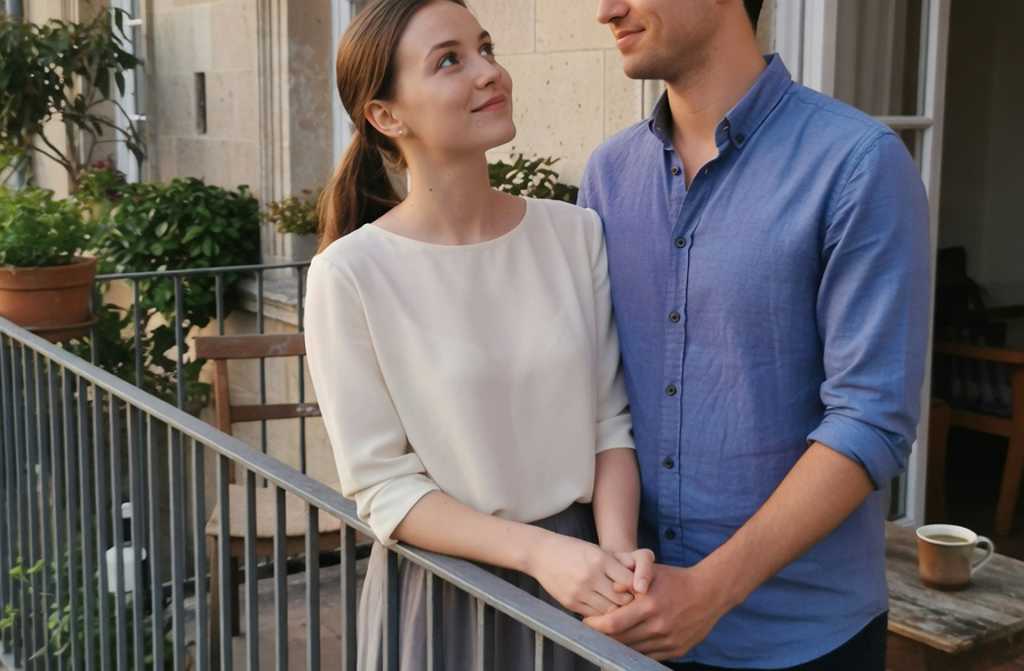
That night, Emily stands on the balcony of their room, listening to the wind carry the music across the estate. Once, she lived in silence. Today, she is a voice that others listen to.
And though she does not see the stars, she feels their light in her heart a heart that has found its rightful place. She has lived in the shadows, but now she shines.Emily has never seen the world, yet she senses its weight in every breath. Born blind into a family that quietly prizes appearances, she often feels like an odd piece in an otherwise flawless puzzle. Her two sisters, Jane and Anne, draw admiration for their radiant beauty and graceful elegance. Guests marvel at the brightness of their eyes and their refined bearing, while Emily remains in the shadows, scarcely noticed.
Her mother alone shows her any warmth. But when she passes away when Emily is only five, the home transforms. Her father, once a man of gentle words, turns cold and withdrawn. He never calls her by her name anymore. He refers to her in vague terms, as if acknowledging her existence already causes discomfort.
Emily does not join the family at meals. She stays in a small room at the back, where she learns to navigate her world through touch and sound. Braille books become her escape. She spends hours tracing the raised letters with her fingertips, stories that take her far beyond her small universe. Her imagination turns into her most loyal companion.
On the day of her twenty-first birthday, instead of a celebration, her father enters her room, a folded piece of cloth in his hands, and declares in a harsh voice: “You are getting married tomorrow.”
Emily freezes. “To whom?” she asks softly.
“To a man who sleeps in front of the village chapel,” her father replies. “You are blind. He is poor. It is a suitable match.”
She has no voice in the matter. The next morning, in a hasty and emotionless ceremony, Emily is married. No one describes her husband to her. Her father simply pushes her forward, saying, “She belongs to you now.”
Her new husband, Thomas, leads her to a simple cart. They travel in silence for a long while until they reach a small cottage near the river, far from the village bustle.
“It is not much,” says Thomas as he helps her down. “But it is secure, and here you will always be treated with respect.”
The cottage, built of wood and stone, is modest but feels warmer than any room Emily has known. That first night, Thomas prepares tea for her, offers her his blanket, and settles to sleep near the door. He never raises his voice or pities her. He simply sits and asks, “What stories do you enjoy?”
She blinks. No one has ever asked her that before.
“What foods make you happy? What sounds bring a smile to your face?”
Day after day, Emily feels life returning to her. Each morning, Thomas takes her to the riverbank, describing the sunrise with poetic words. “The sky appears to flush,” he says one day, “as though it has just been told a secret.”
He paints for her the songs of the birds, the rustle of the trees, the fragrance of the wildflowers blooming around them. Above all, he listens to her. Truly listens. In this little cottage, in the heart of simplicity, Emily discovers a feeling she has never known: joy.
She begins to laugh once more. Her heart, once closed, opens gradually. Thomas hums her favorite melodies, tells her tales of distant lands, or simply remains quiet, his hand in hers.
One day, sitting under an old tree, Emily asks him: “Thomas, were you always a beggar?”
He stays silent for a moment, then answers: “No. But I chose this life for a reason.”
He says no more, and Emily does not press. But curiosity takes root in her mind.
A few weeks later, Emily ventures alone to the village market. Thomas has taken her there patiently before, guiding her step by step. She moves with quiet confidence when a voice startles her: “The blind girl, still playing at being a housewife with that beggar?”
It is her sister Anne.
Emily straightens. “I am happy,” she replies.
Anne scoffs. “He is not even a beggar. You really know nothing, do you?”
Back at home, unsettled, Emily waits for Thomas. As soon as he enters, she questions him in a calm but firm voice: “Who are you really?”
Thomas kneels beside her, taking her hands in his. “I did not want you to learn it this way. But you deserve the truth.”
He takes a deep breath. “I am the son of a local lord.”
Emily remains still. “What?”
“I left that world because I grew tired of people seeing only my title. I wanted someone to love me for who I am. When I heard about a blind girl cast aside by everyone, I knew I had to meet you. I came in disguise, hoping you would accept me without the burden of wealth.”
Emily stays silent, remembering each act of kindness he has shown her. “And now?” she asks.
“Now, you come with me. To the estate. As my wife.”
The next day, a carriage arrives. The servants bow as they pass. Emily, clutching Thomas’s hand, feels a mix of apprehension and awe.
At the grand manor, family and household staff gather, curious. The lord’s wife steps forward. Thomas announces: “This is my wife. She saw me when no one else saw who I truly was. She is more genuine than anyone else.”
The woman observes her, then embraces her gently. “Welcome home, my daughter.”
In the weeks that follow, Emily learns the ways of estate life. She sets up a library for the blind and invites artists and artisans with disabilities to display their creations. She becomes a beloved symbol to all, embodying strength and kindness.
But the welcome is not warm everywhere. People whisper: “She is blind. How can she represent us?” Thomas hears these criticisms.
At an official reception, he rises before the assembly: “I will only accept my role if my wife is fully honored. If she is not accepted, I will leave with her.”
A stunned silence fills the room. Then the lord’s wife speaks: “Let it be known from this day forward that Emily is part of this household. To belittle her is to belittle our family.”
A long moment of silence passes before a thunder of applause erupts.
That night, Emily stands on the balcony of their room, listening to the wind carry the music across the estate. Once, she lived in silence. Today, she is a voice that others listen to.
And though she does not see the stars, she feels their light in her heart a heart that has found its rightful place. She has lived in the shadows, but now she shines.