
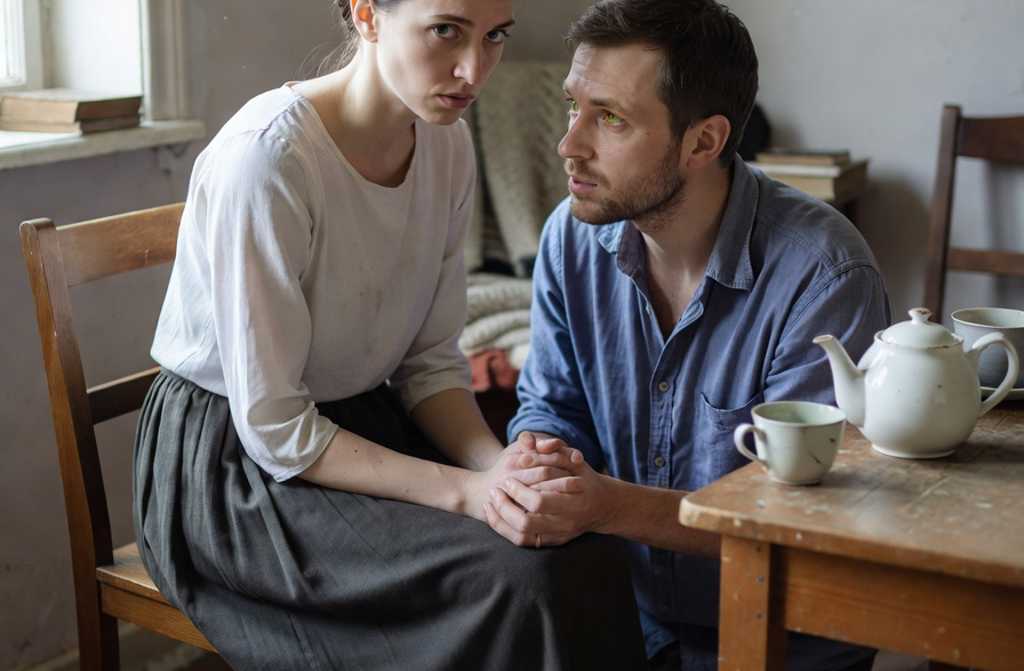
Emily had never laid eyes on the world, yet she felt its crushing weight with every breath. Born blind into a family that quietly prized appearances, she often felt like a square peg in a round hole. Her two sisters, Charlotte and Amelia, drew all the admiration for their radiant beauty and graceful poise. Guests would exclaim over the light in their eyes and their polished manners, while Emily lingered unseen in the background.
Her mother alone offered any real warmth. But when she died and Emily was only five, everything shifted. Her father, once gentle with his words, grew distant and closed off. He stopped using her name altogether. He referred to her in vague tones, as if simply acknowledging she existed brought him discomfort.
Emily never joined the family at meals. She kept to a cramped back room, learning her way by feel and sound alone. Braille books became her only escape. She spent hours tracing the raised dots that opened up worlds far beyond her own walls. Her imagination grew into her truest ally.
On her twenty-first birthday, with no celebration in sight, her father stepped into her room clutching a folded cloth and announced in a flat tone, “You marry tomorrow.”
Emily’s breath caught. “To whom?” she asked quietly.
“A man who sleeps outside the village church,” her father replied. “You’re blind. He’s poor. It matches.”
She had no voice in it. The next morning, in a hurried ceremony stripped of any feeling, Emily was married. No one described her husband. Her father simply pushed her ahead, muttering, “She’s yours now.”
Her new husband, Thomas, guided her to a plain cart. They traveled in heavy silence until they reached a small cottage by the river, well away from the village hum.
“It’s nothing grand,” Thomas said as he helped her down. “But it’s steady, and you’ll be treated with dignity here.”
The cottage, made of wood and stone, stood plain but carried a warmth Emily had never felt in any other room. That first night, Thomas brewed tea for her, gave up his blanket, and settled near the door to sleep. He never raised his voice or offered pity. He simply sat and asked, “What stories do you love?”
She blinked, caught off guard. No one had ever asked her such a thing.
“What foods make you happy? What sounds bring a smile?”
Day after day, Emily felt something stir back to life inside her. Each morning Thomas led her to the riverbank and described the sunrise in quiet, vivid words. “The sky seems to flush,” he said one time, “as if it holds a fresh secret.”
He brought to life the birds’ calls, the leaves’ soft rustle, the scent of wildflowers opening nearby. Most of all, he listened. Really listened. In that simple cottage, amid the plain routines, Emily discovered a feeling she had never known: joy.
She laughed again, the sound surprising even her. Her heart, long sealed away, began to open. Thomas hummed the tunes she favored, spun tales of distant shores, or sat in silence with her hand in his.
One afternoon beneath an old oak, Emily asked, “Thomas, were you always a beggar?”
He stayed quiet a moment before answering, “No. But I chose this life for a reason.”
He said no more, and she let it rest. Still, curiosity took hold.
A few weeks later, Emily went alone to the village market. Thomas had walked her there before with patient care. She moved with quiet confidence until a sharp voice cut through: “The blind girl, still playing at being a wife with that beggar?”
It was her sister Charlotte.
Emily drew herself up. “I’m happy,” she said.
Charlotte gave a short laugh. “He’s no beggar at all. You really don’t know a thing, do you?”
Back at the cottage, uneasy, Emily waited for Thomas. The moment he entered, she asked in a steady but unyielding voice, “Who are you, truly?”
Thomas knelt beside her and took her hands. “I didn’t want you to hear it this way. But you deserve the truth.”
He drew a slow breath. “I am the son of a prominent landowner.”
Emily stayed still. “What?”
“I walked away from that life because I was tired of being seen only for my name and holdings. I wanted someone to care for me as I am. When I heard of a blind girl cast aside by her own, I knew I had to meet you. I came without my title, hoping you would accept me without the weight of it all.”
Emily sat in silence, turning over every kindness he had shown. “And now?” she asked.
“Now you come with me to the estate, as my wife.”
The next morning a carriage arrived. Servants bowed as they passed. Emily clung to Thomas’s hand, a tight knot of dread and wonder in her chest.
At the grand manor, family and staff gathered in curiosity. The landowner’s wife stepped forward. Thomas spoke clearly: “This is my wife. She saw me for who I am when no one else did. She is more genuine than anyone.”
The woman watched her a moment, then drew her into a gentle embrace. “Welcome home, my daughter.”
In the weeks that followed, Emily learned the rhythms of estate life. She created a library filled with books for the blind and invited artists and craftsmen with disabilities to show their work. She became a figure of quiet strength and kindness that others came to respect.
Yet not all hearts opened. Whispers spread: “She’s blind. How could she ever represent us?” Thomas heard every word.
At a formal gathering, he stood before the room: “I will only accept my place if my wife is fully honored. If she is not welcomed, I will leave with her.”
A stunned hush fell. Then the landowner’s wife spoke: “Let it be known from this day that Emily is part of this house. To slight her is to slight us all.”
A long pause held, then a wave of applause broke out.
That night Emily stood on the balcony of their chamber, listening as the wind carried music across the grounds. Once she had lived in silence. Now she was a voice others heard.
And though she could not see the stars, she felt their light in her hearta heart that had finally found its place. She had lived in shadow, but now she shone.Emily had never laid eyes on the world, yet she felt its crushing weight with every breath. Born blind into a family that quietly prized appearances, she often felt like a square peg in a round hole. Her two sisters, Charlotte and Amelia, drew all the admiration for their radiant beauty and graceful poise. Guests would exclaim over the light in their eyes and their polished manners, while Emily lingered unseen in the background.
Her mother alone offered any real warmth. But when she died and Emily was only five, everything shifted. Her father, once gentle with his words, grew distant and closed off. He stopped using her name altogether. He referred to her in vague tones, as if simply acknowledging she existed brought him discomfort.
Emily never joined the family at meals. She kept to a cramped back room, learning her way by feel and sound alone. Braille books became her only escape. She spent hours tracing the raised dots that opened up worlds far beyond her own walls. Her imagination grew into her truest ally.
On her twenty-first birthday, with no celebration in sight, her father stepped into her room clutching a folded cloth and announced in a flat tone, “You marry tomorrow.”
Emily’s breath caught. “To whom?” she asked quietly.
“A man who sleeps outside the village church,” her father replied. “You’re blind. He’s poor. It matches.”
She had no voice in it. The next morning, in a hurried ceremony stripped of any feeling, Emily was married. No one described her husband. Her father simply pushed her ahead, muttering, “She’s yours now.”
Her new husband, Thomas, guided her to a plain cart. They traveled in heavy silence until they reached a small cottage by the river, well away from the village hum.
“It’s nothing grand,” Thomas said as he helped her down. “But it’s steady, and you’ll be treated with dignity here.”
The cottage, made of wood and stone, stood plain but carried a warmth Emily had never felt in any other room. That first night, Thomas brewed tea for her, gave up his blanket, and settled near the door to sleep. He never raised his voice or offered pity. He simply sat and asked, “What stories do you love?”
She blinked, caught off guard. No one had ever asked her such a thing.
“What foods make you happy? What sounds bring a smile?”
Day after day, Emily felt something stir back to life inside her. Each morning Thomas led her to the riverbank and described the sunrise in quiet, vivid words. “The sky seems to flush,” he said one time, “as if it holds a fresh secret.”
He brought to life the birds’ calls, the leaves’ soft rustle, the scent of wildflowers opening nearby. Most of all, he listened. Really listened. In that simple cottage, amid the plain routines, Emily discovered a feeling she had never known: joy.
She laughed again, the sound surprising even her. Her heart, long sealed away, began to open. Thomas hummed the tunes she favored, spun tales of distant shores, or sat in silence with her hand in his.
One afternoon beneath an old oak, Emily asked, “Thomas, were you always a beggar?”
He stayed quiet a moment before answering, “No. But I chose this life for a reason.”
He said no more, and she let it rest. Still, curiosity took hold.
A few weeks later, Emily went alone to the village market. Thomas had walked her there before with patient care. She moved with quiet confidence until a sharp voice cut through: “The blind girl, still playing at being a wife with that beggar?”
It was her sister Charlotte.
Emily drew herself up. “I’m happy,” she said.
Charlotte gave a short laugh. “He’s no beggar at all. You really don’t know a thing, do you?”
Back at the cottage, uneasy, Emily waited for Thomas. The moment he entered, she asked in a steady but unyielding voice, “Who are you, truly?”
Thomas knelt beside her and took her hands. “I didn’t want you to hear it this way. But you deserve the truth.”
He drew a slow breath. “I am the son of a prominent landowner.”
Emily stayed still. “What?”
“I walked away from that life because I was tired of being seen only for my name and holdings. I wanted someone to care for me as I am. When I heard of a blind girl cast aside by her own, I knew I had to meet you. I came without my title, hoping you would accept me without the weight of it all.”
Emily sat in silence, turning over every kindness he had shown. “And now?” she asked.
“Now you come with me to the estate, as my wife.”
The next morning a carriage arrived. Servants bowed as they passed. Emily clung to Thomas’s hand, a tight knot of dread and wonder in her chest.
At the grand manor, family and staff gathered in curiosity. The landowner’s wife stepped forward. Thomas spoke clearly: “This is my wife. She saw me for who I am when no one else did. She is more genuine than anyone.”
The woman watched her a moment, then drew her into a gentle embrace. “Welcome home, my daughter.”
In the weeks that followed, Emily learned the rhythms of estate life. She created a library filled with books for the blind and invited artists and craftsmen with disabilities to show their work. She became a figure of quiet strength and kindness that others came to respect.
Yet not all hearts opened. Whispers spread: “She’s blind. How could she ever represent us?” Thomas heard every word.
At a formal gathering, he stood before the room: “I will only accept my place if my wife is fully honored. If she is not welcomed, I will leave with her.”
A stunned hush fell. Then the landowner’s wife spoke: “Let it be known from this day that Emily is part of this house. To slight her is to slight us all.”
A long pause held, then a wave of applause broke out.
That night Emily stood on the balcony of their chamber, listening as the wind carried music across the grounds. Once she had lived in silence. Now she was a voice others heard.
And though she could not see the stars, she felt their light in her hearta heart that had finally found its place. She had lived in shadow, but now she shone.